FREE ASSISTANCE FOR THE INQUISITIVE PEOPLE










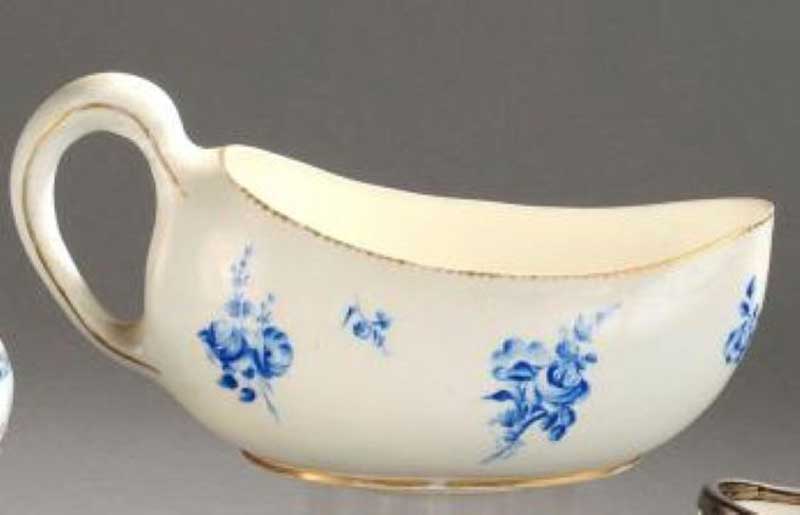
During the 18th Century, women working on agricultural fields used to relieve themselves by standing or squatting directly over the ground amidst the tall crops, as in those days women did not wear closed-crotch underwear, panties, or knickers, and wore a long linen shift over a petticoat. However, women engaged in factories had to share ceramic or metal pots kept in dark corners, stairwells, or specific designated areas of the factories, as they were not allowed to leave their machines and go outside to basic communal outhouses or pit latrines located in adjacent alleys or courtyards. Women of the 18th century didn’t wear knickers, as they were yet to be invented, which may have been something of a blessing when they were forced to hang around at court or in church or any other public event for hours. During those long hours, the elegantly dressed aristocrat women used to lift their voluminous skirts to use a specialized female urinal known as a bourdaloue, a type of handheld, boat-shaped ceramic chamber pot, with a raised lip at one end and handle at the other.
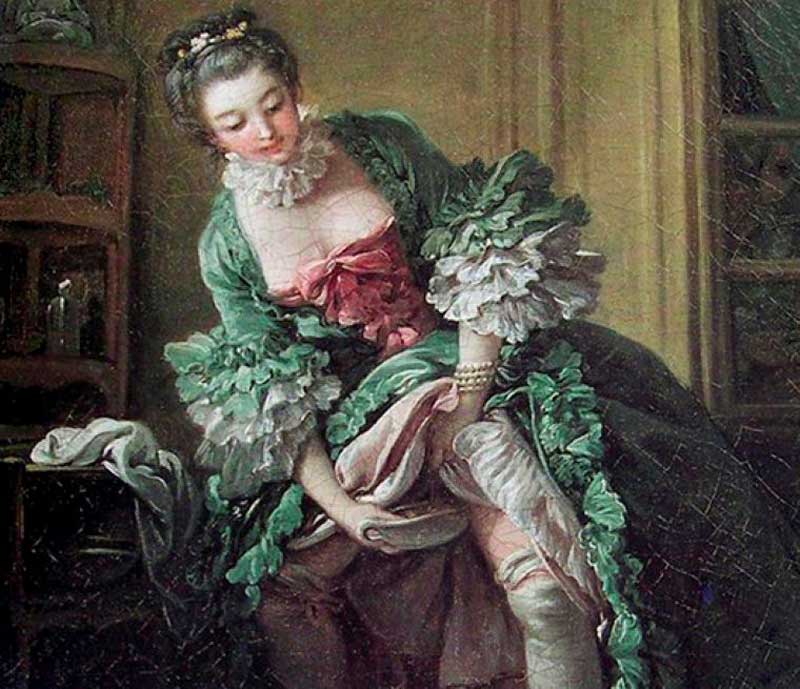
The bourdaloues were specially designed for women to use while standing up underneath heavy court dresses, which the maid would be expected to carry for the use of her mistress and likewise empty it after use. Although there is no evidence seems to exist to support the view, it is believed by many that the name of the object evolved courtesy of a Jesuit priest, Louis Bourdaloue, who gave such long speeches that could last for hours that several ladies attending his speech needed to relieve themselves during the proceedings.
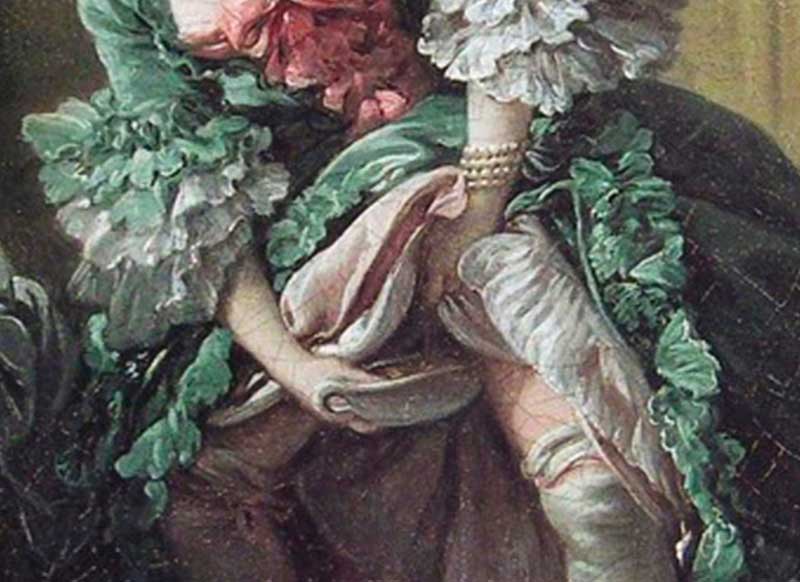
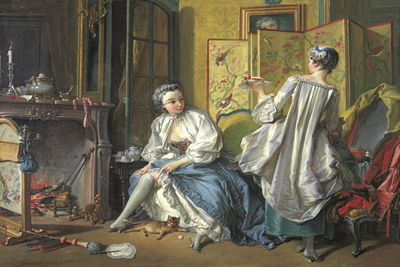
La Toilette intime, or Une Femme qui pisse, an intimate, voyeuristic 18th-century Rococo painting created in the 1760s by the French artist François Boucher, depicts an elegantly dressed woman lifting her layered green and pink gown to use a handheld female urinal, a bourdaloue. The painting offers a rare, unfiltered look into 18th-century material culture, illustrating how women used boat-shaped ceramic bourdaloues, when the concept of underwear was not known. However, while Boucher and other Rococo painters frequently depicted the public or semi-public ritual of women dressing and applying makeup, La Toilette intime evidently broke the prevailing convention by stepping past the social facade into a genuinely private, biological routine.
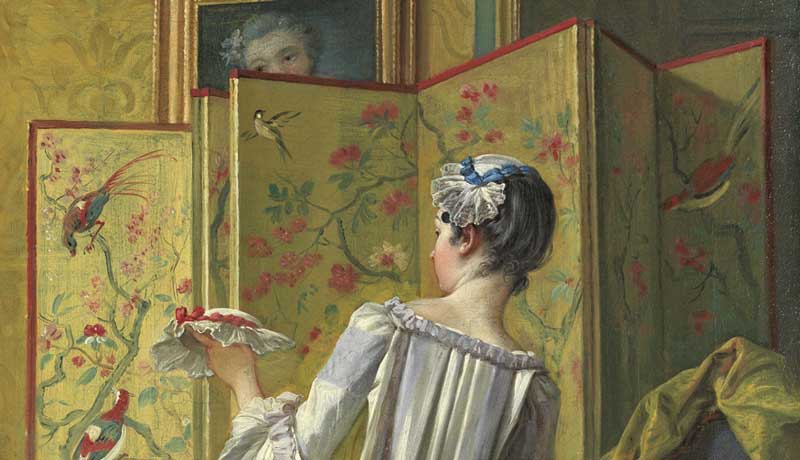
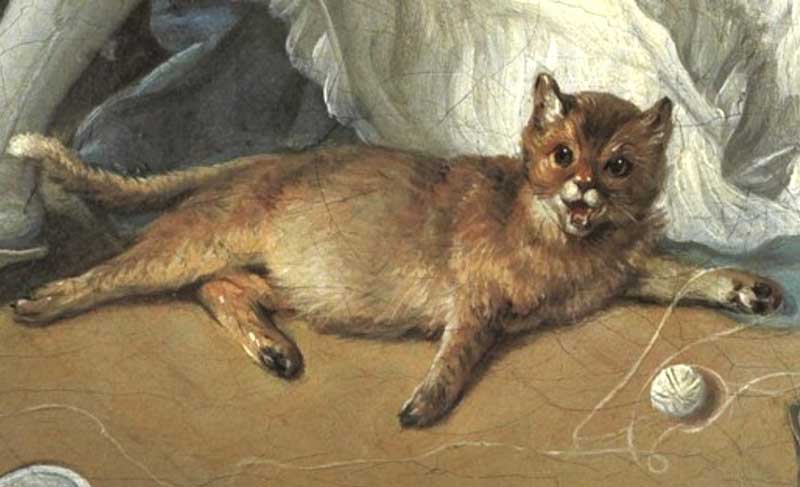
In the composition, Boucher used a highly distinctive chromatic range with an emphasis on yellows and large areas of white, red and saturated blues. The canvas depicts the interior of a room in which a lady ties her garter while choosing her cap, shown to her by a maid seen from behind, while the walls and chairs are covered in a bright yellow fabric, decorated with the gold of the Chinese screen with birds standing out, which covers the far end of the room, as well as part of a framed pastel of a woman’s head hanging from a blue bow on the end wall. The chairs and dressing table are piled with heavy, rumpled fabrics, while the floor in front of the fire is also crowded with objects like the bellows, brush, and a disorganised group of objects on the mantelpiece above the fire. Adding to the mood of the interior is the playful little cat, looking tentatively at a ball of wool or twine.
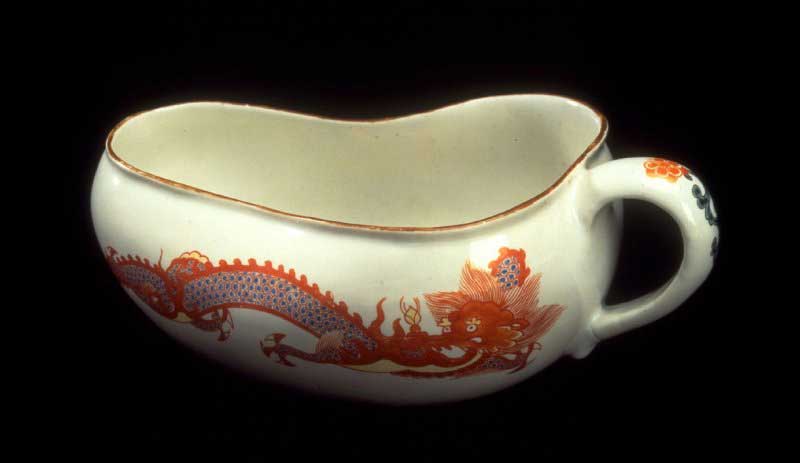
It has been suggested by many that the model for the principal figure is the artist’s wife, Marie-Jeanne Buzot, who posed for some of his paintings. However, her other portraits by the artist, such as the one in the Frick Collection, New York, do not reveal any similarity with the face of the present figure.