FREE ASSISTANCE FOR THE INQUISITIVE PEOPLE














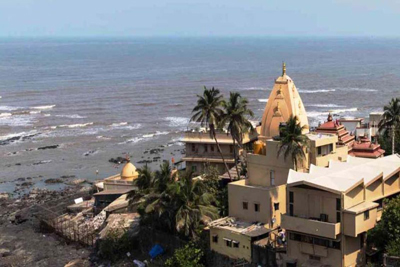
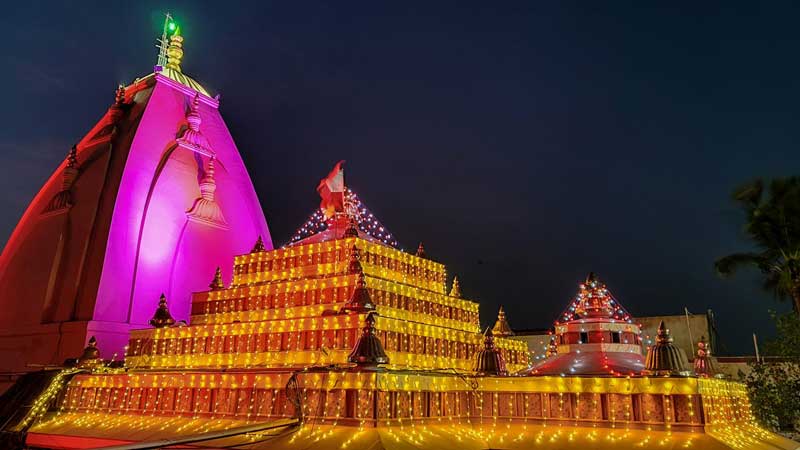
Located on Bhulabhai Desai Marg, Mahalaxmi West, Cumballa Hill, in Mumbai, and overlooking the Arabian Sea, Mahalaxmi Temple is a renowned Hindu shrine, dedicated to the presiding deity, Devi Mahatmyam, also known as the Adi Parashakti, Goddess Durga, the supreme divine. Built in 1831 by Dhakji Dadaji, a Hindu merchant, the temple contains the idols of the Tridevi goddesses, described as Mahalaxmi, the goddess of wealth and prosperity, Mahakali, goddess of time and destroyer of demons, and Mahasaraswati, goddess of knowledge and learning.
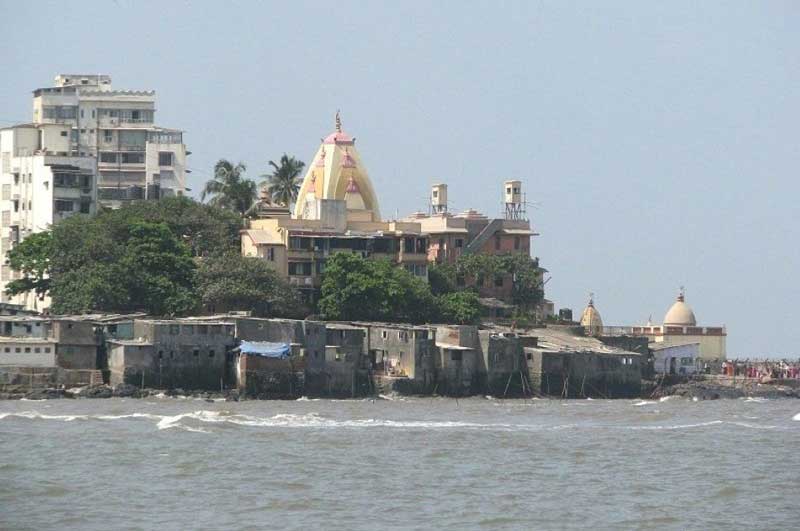
Legend says, the idols of the Tridevi, goddesses Mahalaxmi, Mahakali, and Mahasaraswati, were found in the sea, during the construction of the Hornby Vellard, later renamed Haji Ali causeway, an ambitious project of sea reclamation, undertaken by the British colonial government under Governor William Hornby in the late 18th century. The story also says, during the early stages of the construction, the engineers and workers engaged in the project almost became hopeless, as the turbulent waves kept destroying the construction work time and again, until a local Hindu priest dreamt that an idol of Goddess Mahalaxmi lay hidden beneath the waves and divulged his story in public. Prompted by the story, the workers searched and miraculously discovered the three idol heads of the goddesses, after which a temple was built immediately to enshrine the idol, and surprisingly, the sea construction was completed without any further hazard. Later, the new structure, featuring an ornate sanctum sanctorum or garbhagriha, housing the three Tridevi idols, was built in traditional Hindu architectural style, establishing it as a major pilgrimage destination.
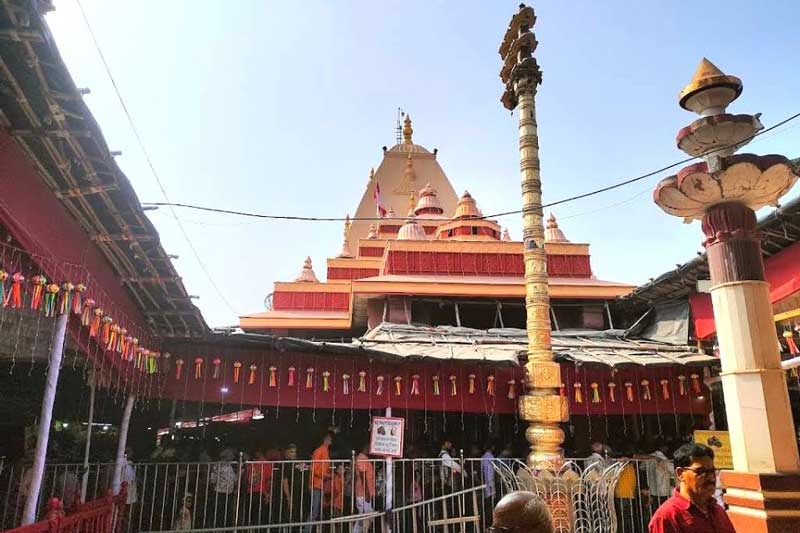
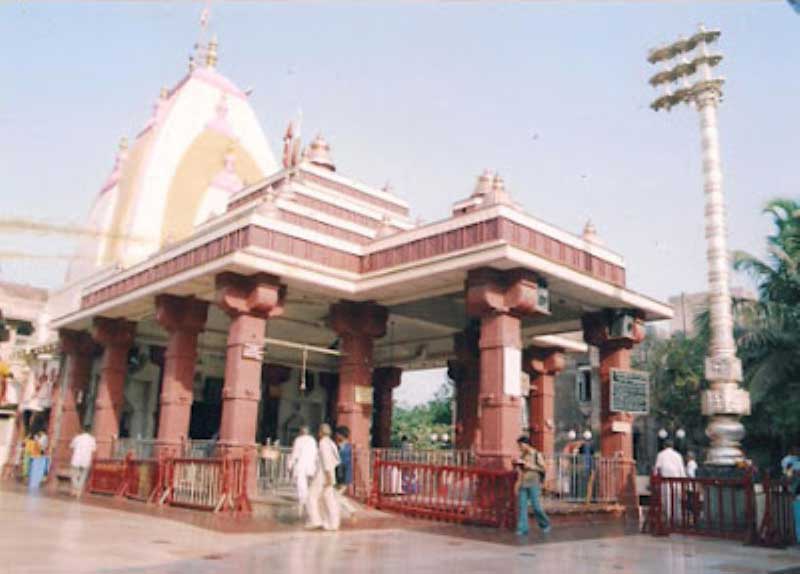
However, another version of the story says, the three idols were intentionally submerged in the Arabian Sea near Worli to keep them safe from the invading Muslims, and they remained underwater until Ramji Shivji Prabhu, serving as the chief engineer of the ambitious Vellard project, aimed at connecting the islands of Worli and Malabar Hill, retrieved them. It is believed that the project was facing repeated failures, until Ramji ShivjiPrabhu recovered the three idols from the sea, built a temple, and enshrined the idols within it, following the instructions of the goddess Mahalaxmi given to him in his dream, while the current temple was constructed on a later date.
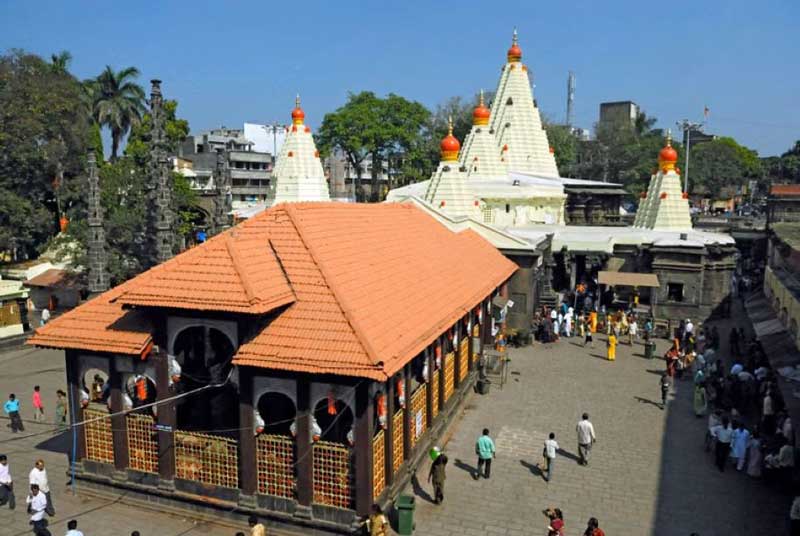
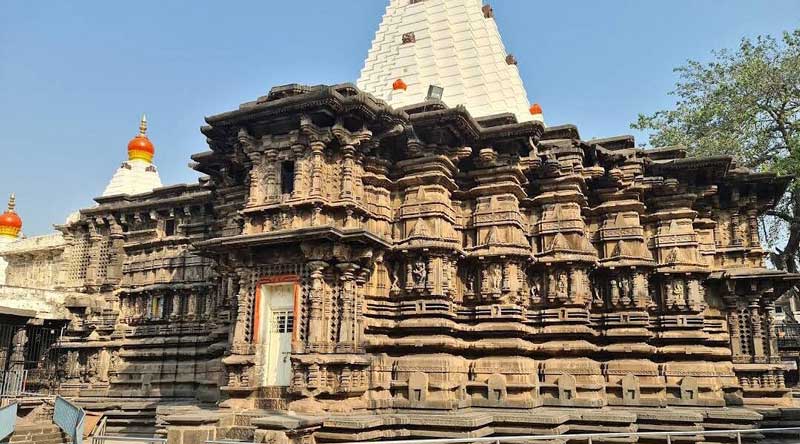
Reflecting a harmonious fusion of traditional Hindu architectural elements and modern design, Mahalaxmi Temple in Mumbai, housed the deities in its garbhagriha or Sanctum sanctorum, adorned with nose rings, gold bangles, and pearl necklaces. The temple, also containing a sabha mandap, boasts elaborate carvings, decorative domes, and soaring spires, which create a majestic, but solemn ambiance. Adorned with a 49 feet (15 m) tall golden Kalash, or a pitcher on the top, and embellished with silver-plated elephants and peacocks adorning the pillars, the temple has the prominent Laxmi Yantra, a sacred geometric diagram infused with divine mantras and dedicated to Goddess Laxmi, the embodiment of fortune and prosperity, positioned at the main entrance of the sanctum.
It is believed by the orthodox Hindus that worshipping the deities at the Mahalaxmi temple brings mental peace and happiness, prosperity, success, and spiritual fulfilment into the lives, and devotees in large numbers visit the temple throughout the year to offer prayers and seek the blessings of the goddess, specially during the celebration of several auspicious occasions and festivals like Navaratri, one of the most auspicious and vibrant Hindu festivals in India dedicated to the worship of Goddess Durga and her nine avatars or incarnations, known as Navadurga, signifying the triumph of good over evil. Notably, the word Navaratri is made of two words, Nava means nine, while Ratri stands for night, and as the name suggests, the festival continues for nine nights and ten days, when many people observe fasting for nine days, consuming only fruits, milk and other fasting foods for offering worships, and celebrate at night in lively community folk dances like Garba and Dandiya in circles around. Another important occasion, which is enthusiastically celebrated at the temple, is Diwali, also known as Deepavali, which literally means row of lights, and is derived from the Sanskrit words Deepa or lamp and Avali, which means row. Deepavali is the glowing festival of lights, symbolizing the spiritual victory of light over darkness, good over evil and knowledge over ignorance, which is celebrated throughout the country and abroad, by the Hindus, as well as people belonging to the other Indian religions like the Sikhs and Jains. However, apart from being a place of religious significance, Mahalaxmi temple actively participates in various social welfare activities and community outreach programmes like relief to people affected by natural calamities, scholarships to underprivileged students of any religion, and medical assistance to the poor.