FREE ASSISTANCE FOR THE INQUISITIVE PEOPLE














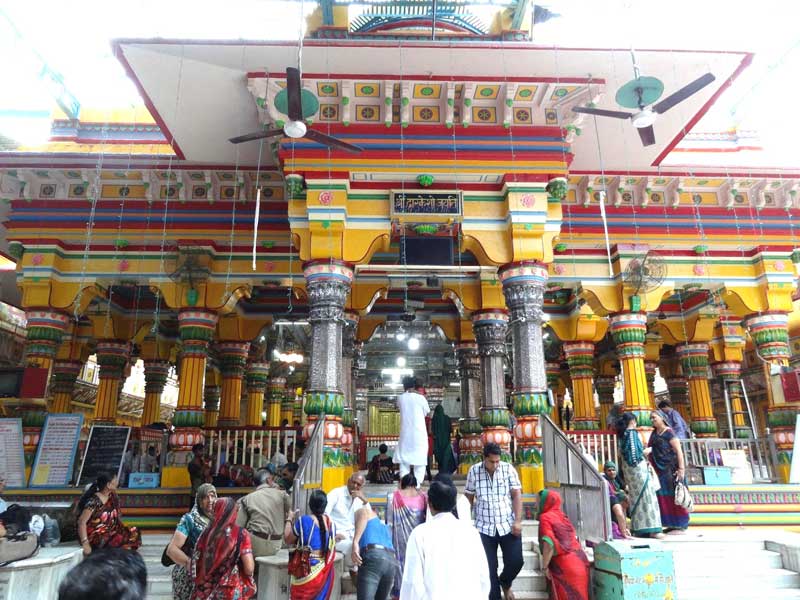
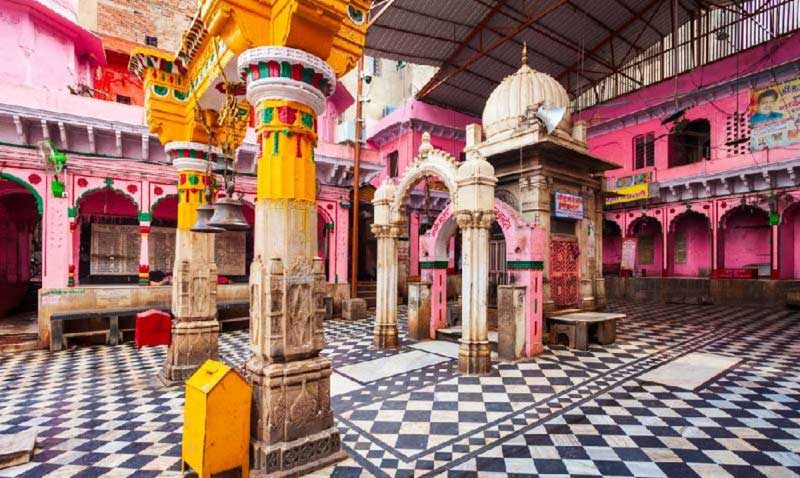
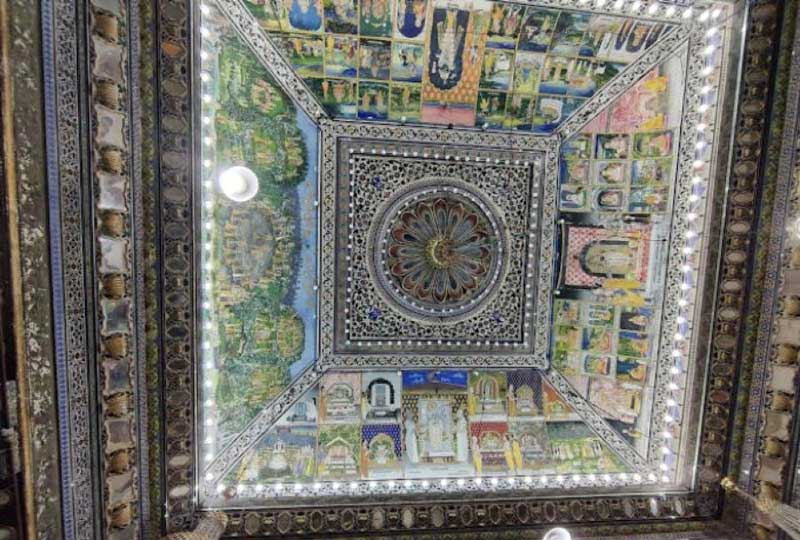
Located in Pathak Gali, in the city of Mathura, the spiritual heart of the sacred Brajabhoomi in UP, associated with Lord Krishna's childhood and his divine pastimes, depicted in the Hindu texts as Sri Krishna Leela, and dedicated to Dwarkadhish, a manifestation of Lord Krishna, Dwarkadhish temple, situated within the perimeter of the city's holy gate, near the River Yamuna, is regarded as one of the most beautiful temples in the country. The temple, reflecting a combination of the architectural styles of Rajasthan, with some influence of local architectural styles, is a testament of regal devotion and rich heritage, famous for its arched gateways, intricate carvings, decorative pillars, murals and stunning ceiling paintings depicting various aspects of Lord Krishna, along with a grand central courtyard, the walls of which are decorated with pictures depicting the birth and Raash-leela of Lord Krishna, considered to be one most beautiful depiction of soulful love. Five rows of intricately carved pillars divide the entire courtyard into three different parts, while three rows of richly carved pillars support a stunning painted ceiling in the centre of the yard, reflecting important events of Lord Krishna's life.
Mathura, depicted as the birthplace of Lord Krishna in Hindu legends, is revered as a centre of spirituality and a vital hub for Vaishnavism, attracting thousands of pilgrims every year from across the Indian subcontinent. During the 16th to 17th centuries, the region experienced a spiritual renaissance with the rise of the Bhakti movement that sought to bring religious reforms based on love and devotion to religious concepts built around one or more gods and goddesses, discarding the caste system, with the construction of several Krishna temples in Mathura and nearby Vrindavan, located at a distance of 45 miles from Matura.
Seth Gokul Das Parikh, a devoted follower of Lord Dwarkadhish, as well as a treasurer in the Scindia royal court of Gwalior, constructed the present temple of Dwarikadhish in Mathura 1814 AD, with approval and donation from Shrimant Daulatrao Scindia, the then Maharaja of Gwalior. Apart from being an important and popular place of worship, the temple played an important role in protecting the Vaishnava traditions of Mathura, amidst the prevailing widespread unrest and upheaval during the tumultuous days of the Indian Rebellion of 1857, against the rule of the British East India Company in the country.
The garbhagriha or sanctum sanctorum of the Dwarkadhish temple, also known as the Jagat Mandir, belonging to the Pushtimarg sect of Vaishnavism, houses a black marble idol of the presiding deity, Lord Dwarkadhish, a form of Lord Krishna, along with his divine counterpart, goddess Radha, revered in the form of Radharani. The idol of Dwarkadhish, crafted from lustrous black stone and standing approximately 2.25 feet tall, features four hands, holding his iconic attributes, which include a mace, locally called gada, a divine discus, called Sudarshana Chakra, a conch, and a lotus flower. In addition to the main temple, the complex contains several other Hindu deities, including the temples of Krishna Varaha and Shwetha Varaha, along with a Tulsi plant, an aromatic perennial plant, revered by the Hindus as a favourite of Krishna.
The Dwarkadhish temple celebrates several festivals throughout the year, which include the famous Hindola festival, regarded as the main festival, which spans 13 days and is celebrated with pomp and splendour each year during the month of Shravana, typically occurring in July or August. During those festive days, the temple is beautifully decorated in thematic colours, and the idols of Dwarkadhish and Radharani are brought out from their sanctum after being bathed with milk and water, and placed in a beautifully decorated Jhoola or swing, embellished with gold and silver ornaments, celebrating the Lord Krishna and Radha's divine pastime of swinging on decorated swings or hindolas in Vrindavan. Besides the Hindola festival, the temple also celebrates the Janmashtami, the birthday celebration of Lord Krishna, Radhastami, celebrating the birth of Radha, the Holi or the festival colours, and Diwali or Deepavali, a festival of lights, marked by the lighting of row of lamps and fireworks, symbolising the victory of light over darkness.