FREE ASSISTANCE FOR THE INQUISITIVE PEOPLE








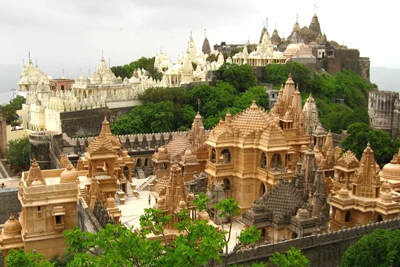

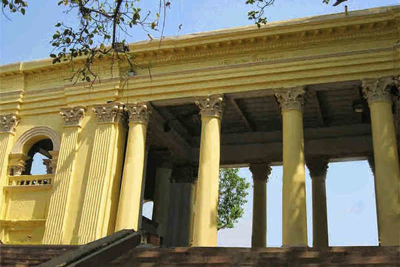









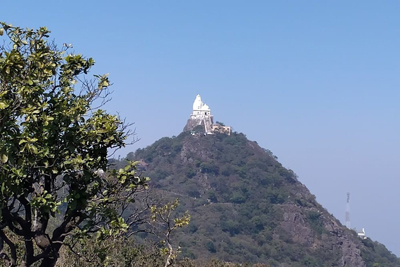
Parasnath Hill, the highest mountain peak in Giridihi, in the state of Jharkhand, with an elevation of 4478 feet (1365 m), and named after Parshvanath, the 23rd Jain Tirthankara, proudly houses on its summit the Sammed Shikharji temple, considered the most revered Jain pilgrimage site worldwide. It is believed to be the site where 20 out of the 24 Tirthankaras, including Parshvanath, attained Nirvana, or ultimate salvation of the soul from the cycle of birth and death. Popularly known as Shikharji temple, it is one of the seven major Jain pilgrimage centres in the country, alongside Girnar, Dilwara, Palitana, Pawapuri, Champapuri, and Ashtapad Kailash. However, Sammed Shikharji is not a single temple, it is rather a vast Jain pilgrimage, featuring 31 major temples and smaller shrines, sprawling over a 27-kilometre trek across the mountain peaks where 20 of the 24 Tirthankaras attained Nirvana, of which Sammed Shikharji is the main temple complex, located in Madhuban, at the base of the hill, serving as the starting point for the pilgrimage to Parasnath Hill. The pilgrimage, known as Tirth Parikrama, the traditional practice of circumambulating the sacred site, involves a full round-trip trek of 27 kilometres, which includes a 9-kilometre uphill journey to the main peak, an optional 9-kilometre loop to visit the holy temples on the ridge, and a 9-kilometre descent. The entire trek typically takes between 8 to 10 hours and is considered a moderately challenging adventure.
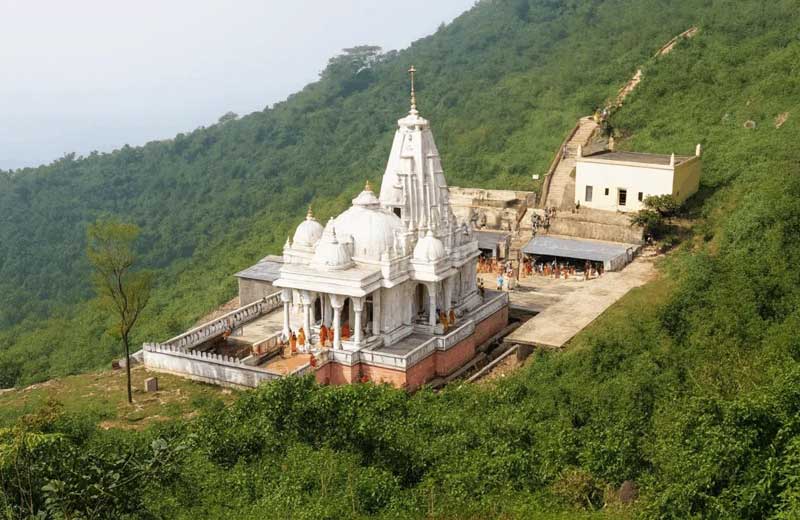
The earliest literary reference to Shikharji as a Tirth, a place of pilgrimage, is found in the Jñātṛdhārmakātha, one of the twelve core texts of Jainism compiled in the 6th century BC by a chief disciple of Mahavira, the 24th Tirthankara of Jainism, and it is also mentioned in the Pārśvanāthacarita, a twelfth-century biography of Pārśva or Pārśvanātha. In addition, a 13th century AD palm-leaf manuscript of Kalpa Sutra and Kalakacaryakatha, two highly significant and interconnected texts of the Śvetāmbara Jain tradition, reflecting both the spiritual and historical narratives of Jainism, has an image of a scene of Parshavanatha's Nirvana at Shikharji. However, history says, Vastupala, prime minister during the reign of king Vīradhavala and Vīsaladeva of Vaghela dynasty of Gujarat, constructed a Jain temple housing 20 idols of Tirthankaras, embellishing its Samavasarana, the divine, universal preaching hall of the Tirthankaras, with the images of his ancestors. Later, Mughal Emperor Akbar issued an order in 1583, granting the management of Shikharji Hill to the Jain community to prevent the slaughter of animals in the vicinity.
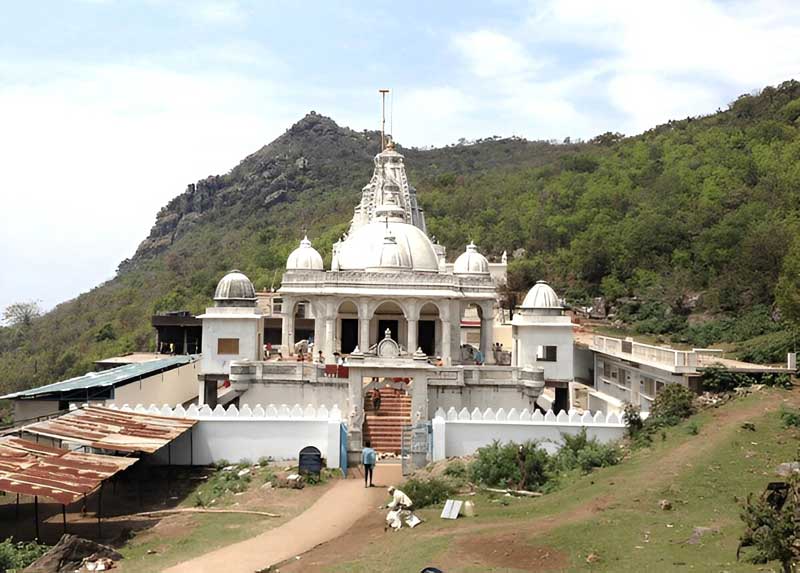
Much later, the influential Jagat Seth family of Murshidabad in Bengal formally established administrative and financial control over the Shikharji region in 1725, and although the temples around the Sammed Shikharji have been restored and reconstructed multiple times throughout their long history, the most notable reconstruction of the primary structural temples into their present configuration was undertaken by Jagat Seth Mahtab Chand in 1768, who extensively financed the reconstruction of the central temples and the other shrines located at the holy site. However, the magnificent marble Taleti or base complex in Madhuban was built in 2015, under Acharya Shri Kirtiyashsurishwarji Maharaj, a highly revered Jain monk and spiritual leader in the Śvetāmbara Jain tradition.
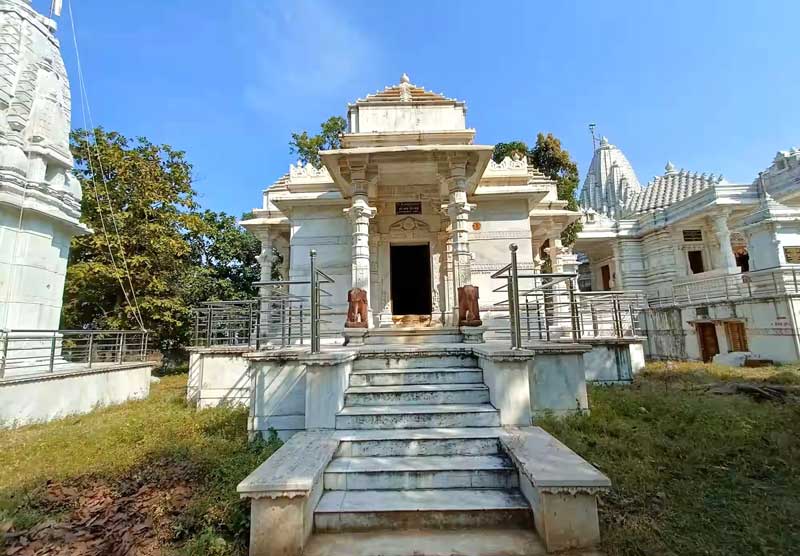
The main shrine of the Sammed Shikharji Jain temple complex, situated at the highest peak of Parasnath Hill and known as the Suvarnabhadra Koot, is dedicated to Lord Parshvanatha, the 23rd Jain Tirthankara. Constructed in a classic North Indian Nagara style with a white-domed structure, often referred to as a Meghadambar, the temple featuring two floors, is an architectural marvel. However, the crowning feature of the temple is the sacred Charna Chinha or stone footprints of Lord Parshvanatha, under an open, pillared canopy, a chhatra or umbrella, which makes it different.
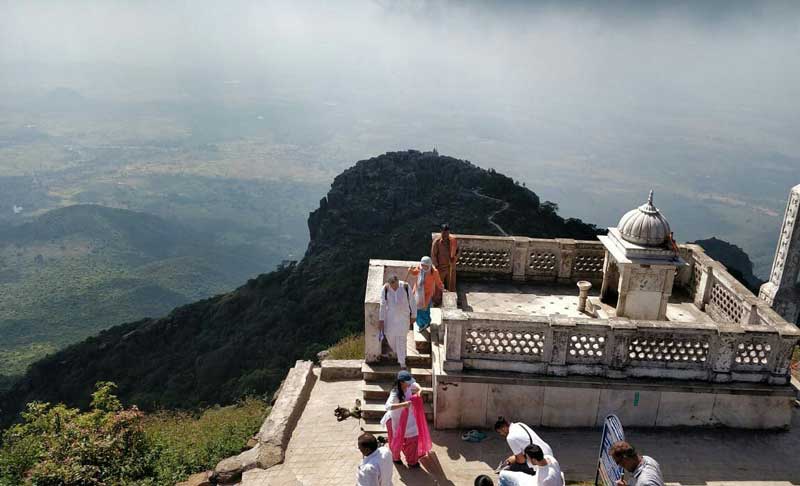
Located at the foothills, in the town of Madhuban, from where pilgrims begin their ascent, Jal Mandir is a highly revered, unique Jain temple, known for its tranquil ambiance and architectural beauty. The temple earned its name after the Jalakunds or natural, serene water bodies that surround it on three sides. The beautiful temple, with its intricate carvings, houses a beautifully dignified idol of Shamaliya Parshwanath, the 23rd Jain Tirthankara. Surrounded by lush green forests with breathtaking views, it offers a peaceful retreat for spiritual seekers and nature lovers alike.
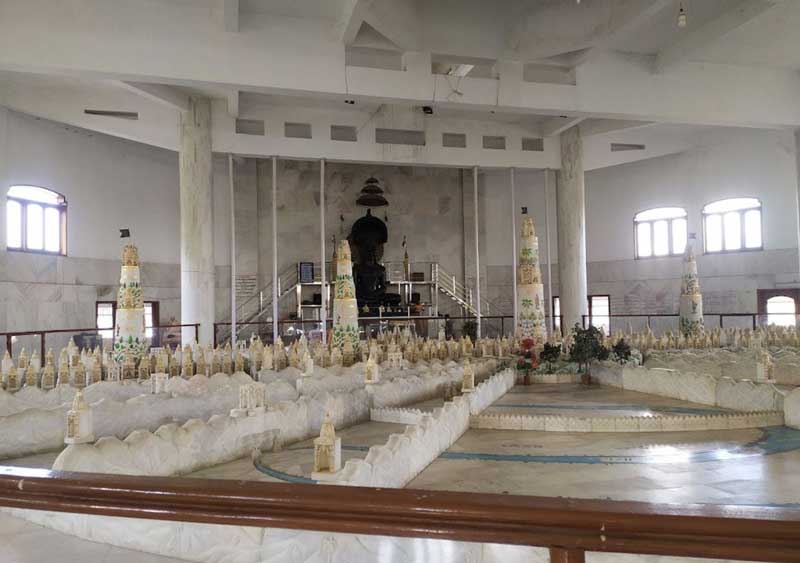
Apart from Jal Mandir, there are several other temples in Madhuban, which include Samavasarana Mandir, a beautiful temple dedicated to Lord Mahavira’s divine preaching hall, Bhaktamar Temple, a modern and highly revered Digambar temple famous for its spiritual significance, and Bhomiyaji Temple, also called Bhomia Baba Temple, considered the Adhishtayak Dev, or the guardian deity of Sammed Shikharji, where devotees traditionally offer their prayers before starting their rigorous ascending journey. It also serves as a base camp, providing basic amenities for the pilgrims before starting their 18-mile trek up the holy Parasnath hills.
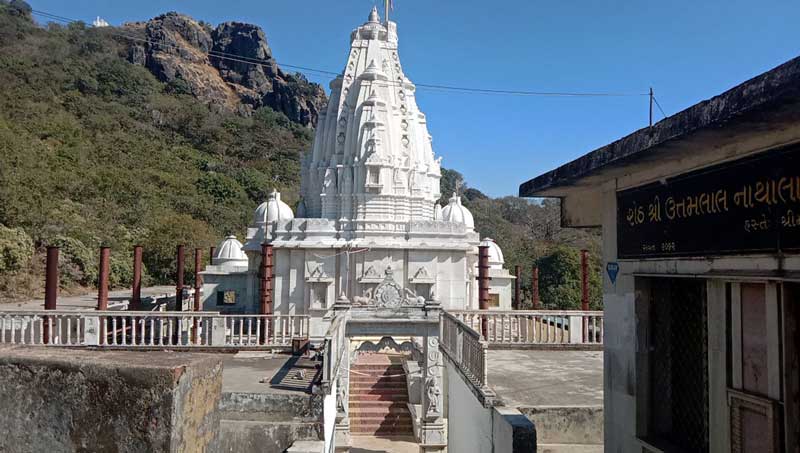
The trail that winds up to the peak of Parasnath Hill also features numerous small shrines alongside larger tonks or temples, which include Shri Gautam Swami Tonk, the first major tonk along the trail, honouring the chief disciple, Ganadhara, of Lord Mahavira, and the tonks of Shri Chandranan Prabhu, Shri Naminath Prabhu, Shri Mallinath Prabhu tonks, and many more. Apart from that, the temples of Supashwanath and Shri Vimalnath, located roughly a kilometre before the main summit, are traditionally vital stops for daily prayer and devotion by the pilgrims.