FREE ASSISTANCE FOR THE INQUISITIVE PEOPLE














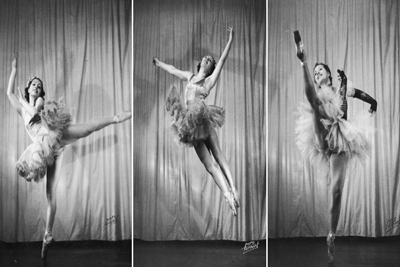
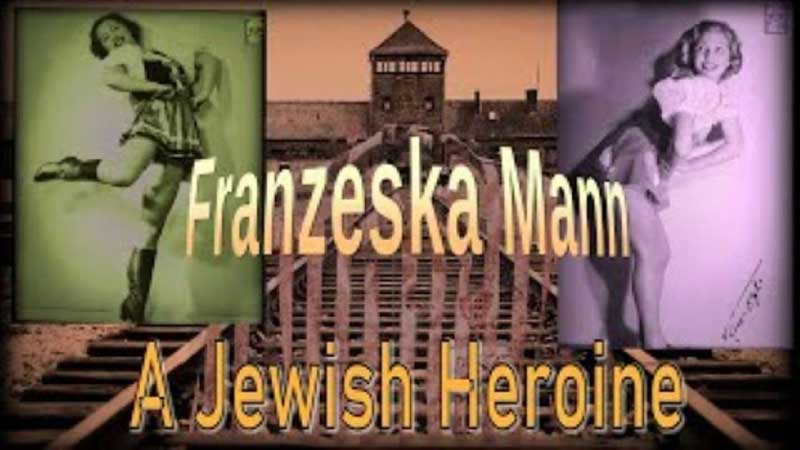
Franceska Manheimer-Rosenberg, better known as Franceska Mann, a Polish Jewish ballerina, regarded as an icon of resistance, became a legend when she killed a Nazi SS guard Joseph Schillinger in Auschwitz, the largest Nazi concentration and extermination camp complex, operating from 1940 to 1945 in occupied Poland. Born on 4 February 1917 in Warsaw, Poland, she was primarily trained to be a dancer at Irena Prusicka’s School of Gymnastics and Artistic Dance in Warsaw, one of the most important academies in Poland, where her friends included Wiera Gran, a celebrated Polish-Jewish singer and actress, known for her sultry voice, and often likened to Edith Piaf for her dramatic, cabaret-style performances, and Stefania Grodzienska, a Polish writer, stage and theatrical actress, and dancer. Apart from that, she also studied under other notable instructors, including Tacjanna Wysocka and Zygmunt Dąbrowski, mastering classical ballet, free dance, and tap dance, to become a stunningly beautiful Jewish actress and talented ballerina of her generation, in both classical and modern repertoires.
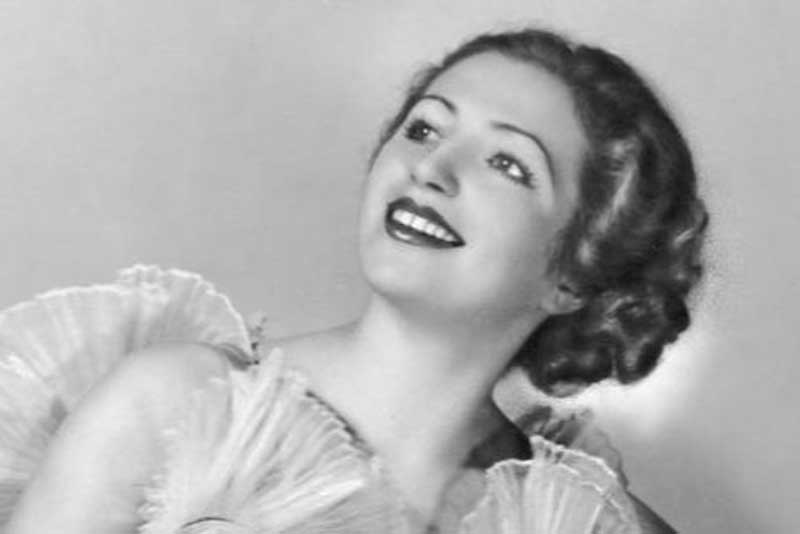
At the age of 22, Franceska Mann took part in the national competition of Brussels in 1939, and was placed fourth in a field of 125 young ballet dancers, and then started her life as a dancer at a nightclub in Warsaw, earning appreciation by the public for her beauty and talent, who knew her as Lola Horovitz. At the beginning of World War II, she was regularly performing as a dancer at the Melody Palace, a Warsaw cabaret, where she met Marek Rosenberg, and they married on a later date. But soon after the Nazi occupation, the entire Jewish community of Warsaw was confined to the miserable confines of the ghetto, although, due to her lighter hair and complexion, Franceska, along with her husband and some others, managed to hide for a time in the Aryan quarter of Warsaw, eluding the Nazis. However, within a year, they were caught and forced to move into the Warsaw ghetto, cramped to live along with the 400,000 Jews in squalid conditions.
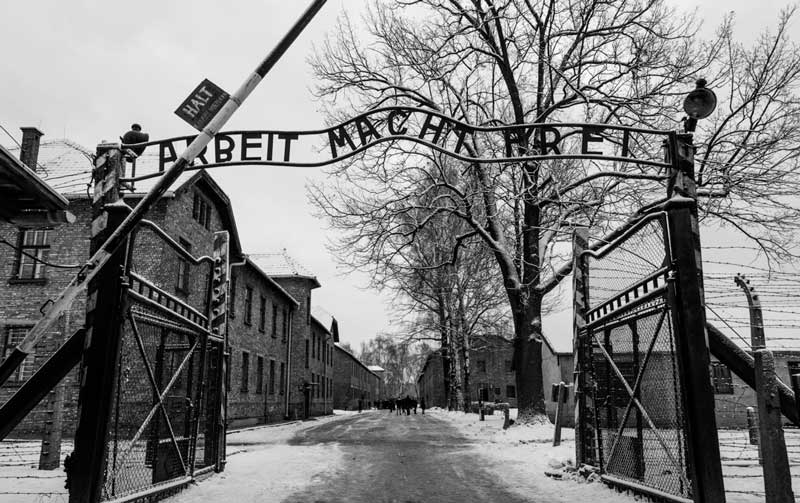
In 1942, Franceska fell victim to a deception, when there was a rumour in the air that the wealthy ghetto residents could take refuge at the Hotel Polski, where they would have the opportunity to buy foreign passports to escape Nazi control. They were falsely promised that they would be taken to Switzerland and exchanged with the Allies in return for German prisoners of war. But that was a nasty trick, and on 23 October 1943, instead of Switzerland, a train carrying 1,700 Polish Jews, along with Franceska, arrived at the Auschwitz-Birkenau extermination camp, when females were separated from the males at the gate, and were led to two different undressing rooms and were instructed to remove their clothing, which they had been wearing since they had left Poland, so they could be sanitized before crossing the border.
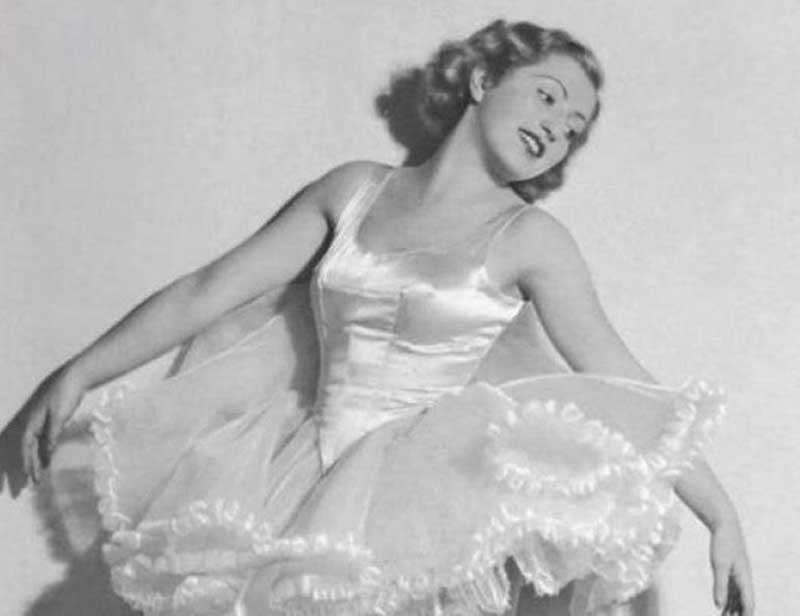
What happened next is not known exactly, as most of the eyewitnesses were left dead, and the story of Franceska’s courage, even in the last minutes of her life, was passed on by word of mouth, perhaps largely fabricated and embellished along the way by those who returned from Auschwitz, and partly turned into legend. In fact, several versions of the story are recorded in books and in the archives of different Holocaust museums.
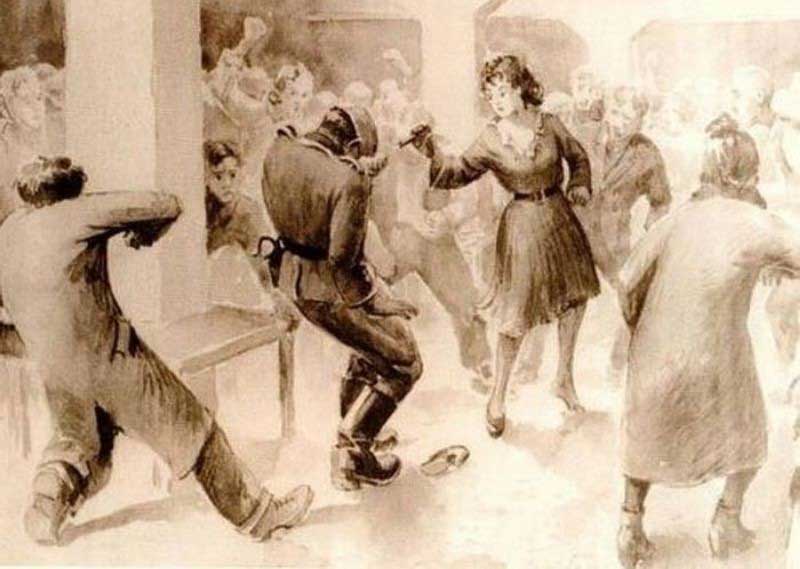
Nevertheless, it is generally believed by many that, when the women were ordered to undress in the washroom, Franceska was immediately identified by SS guards, Josef Schillinger and Wilhelm Emmerich. As Franceska noticed them looking at her greedily to enjoy her feminine beauty, she intentionally started to titillate them with an erotic striptease which distracted them, and made them off guard. Grabbing the opportunity of their perplexing situation, Franceska leaned down to take off one of her stiletto shoes, and like a flash, jumped at Josef Schillinge, and struck his face with the heel of the stiletto, with all her power, making it bleed. As the stunned guard put his hands on his bleeding face, Franceska swiftly took out his gun from its holster, and fired him twice in his stomach and once into the legs of the other guard, Wilhelm Emmerich. Inspired by her bravery, the other women in the washroom also joined the revolt, although none of them could escape, as the camp commandant Rudolf Höss brought a phalanx of Nazi guards who killed the uprising women with machine guns and grenades.
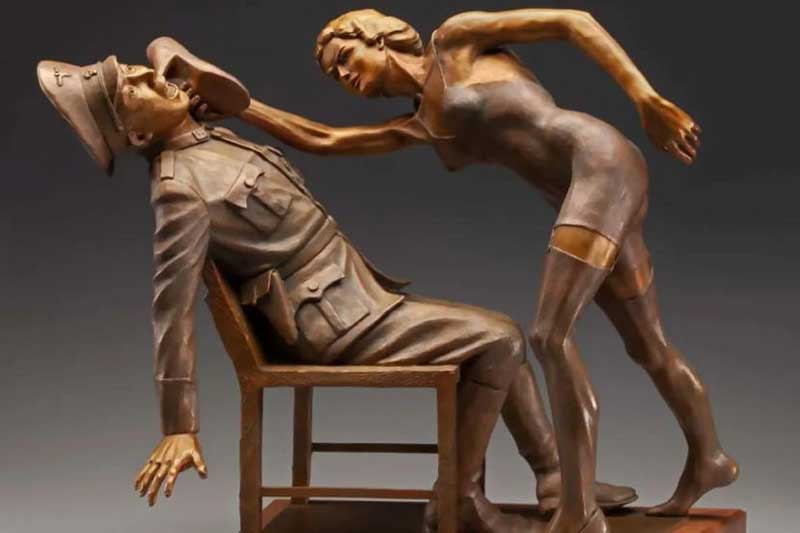
Although there are different versions of the courageous story of Franceska, many parts of it are reflected in the historical accounts of the survivors of the death camp, as well as in the diaries of the SS guards who were present at the camp on that night. The legendary story of Franceska represents courage and resistance against oppression in one of the darkest moments in history, and her act of courage became a symbol, a warning, a lesson of not to bend, not to turn away, even it amounts to death. Interestingly, in 2024, a documentary film, titled Franceska Mann, and created by Lina Chaplin, tracing the life and myth of the legendary Polish-Jewish Ballerina who became a Holocaust heroine, was nominated for Best Israeli Film at Avocado, the Tel Aviv International Documentary Film Festival, Israel's premier and only documentary-focused film festival, held annually in Tel Aviv.