FREE ASSISTANCE FOR THE INQUISITIVE PEOPLE












Long before the grandeur of Classical Athens, the Greek world was dominated by a civilization of warriors, traders, and kings in the second millennium BC, known as the Mycenaean. Named after their most famous citadel, Mycenae, located 10 km north of Agros in the southern peninsula, the Mycenaean civilization thrived from roughly 1600 BC, and perished with the collapse of Bronze Age civilization in the eastern Mediterranean, leaving behind a legacy that shaped Greek identity, myth, and language for millennia. Apart from Mycenae and Tiryns in Argolis, the other major powerful Mycenaean cities during those days included Pylos in Messenia, Athens in Attica, Thebes and Orcomenus in Boeotia, and Iolkos in Thessaly.
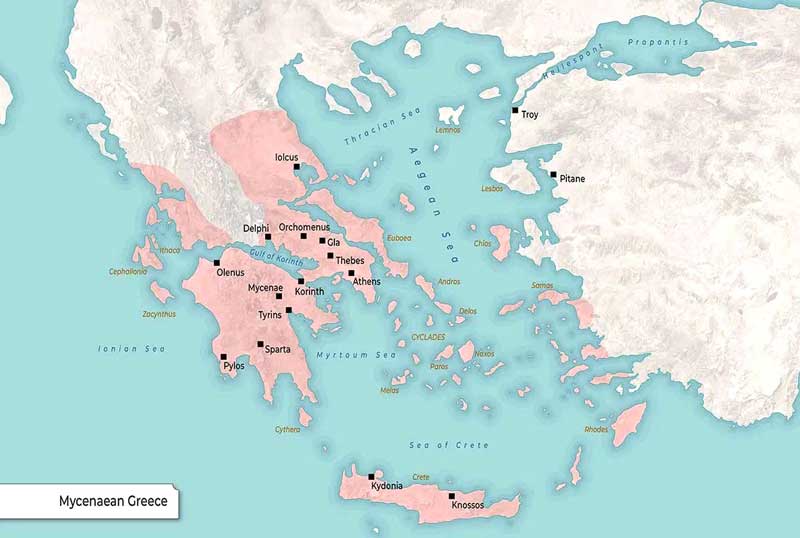
During the Mycenaean period, the Greek mainland experienced a time of prosperity centred around the strongholds in the region, such as Mycenae, Tiryns, Pylos, Iolkos, Thebes, and Athens, and later, their influence spread throughout the Peloponnese in Greece and also across the Aegean, reaching as far as Crete and the Cycladic islands. The people of the region were named after their leader from Mycenae, which is located in the Argolid Peninsula, situated in the northeast part of the Peloponnese, and much of it now falls within the modern region of Argolis. However, the people who lived in the area, now called the Mycenaeans, did not refer to themselves by that name. Instead, they were known in ancient times as the Achaeans, the inhabitants of Achaea, a major population group living in the northern Peloponnese region of Achaea, which later became a significant federal state. Historically, their culture left a lasting impact on later Greeks during the Archaic and Classical periods, particularly through myths about Bronze Age heroes like Achilles and Odysseus, and their adventures in the Trojan War, as described by Homer in his works, the Iliad and the Odyssey. However, historians generally believe that Homer’s accounts of the Mycenaeans and the Trojan War were fictional. Nevertheless, although scholars had known about the ruins of Mycenae for centuries, very little archaeological work had been conducted in the region.
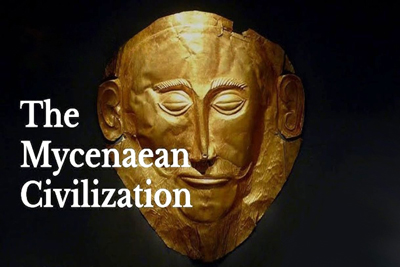
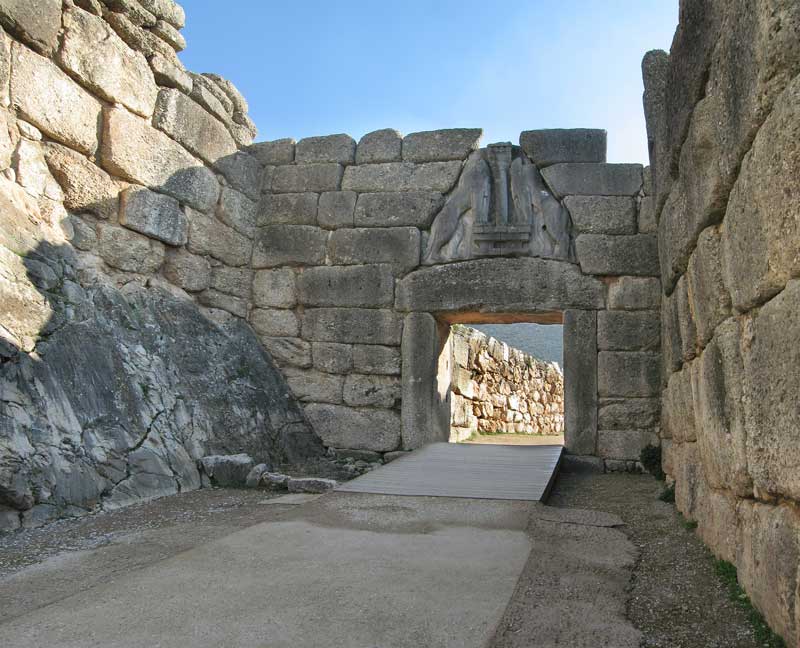
Although it was not the capital city, Mycenae was the largest and most significant city during the Mycenaean period, built on a grand citadel situated on a hill that rises over 912 feet (278 m) above sea level, where the remains of a large palace and numerous tombs and shaft graves were discovered, including nine large, beehive-shaped tombs known as Tholos Tombs, featuring false domes. Among the other notable finds was the famous gold death mask believed to belong to King Agamemnon. The entire palace complex was enclosed by a fortification wall that was approximately 42.6 feet (13 m) high. However, large palace complexes were also found in many other Mycenaean centres typically built around a large rectangular central hall known as a Megaron and shared several key architectural features. The walls were adorned with frescoes and the floors were painted with plaster. In addition to the throne room, all these complexes included a smaller hall, often referred to as the Queen's Megaron, as well as private living quarters and spaces used for administration, storage, and other functions. Other remarkable remnants of the Mycenaean era include sections of the fortification walls and the famous Lion Gate, the iconic entrance to the Mycenaean citadel, constructed around 1250 BC and featuring a pair of heraldic lions above the entrance.
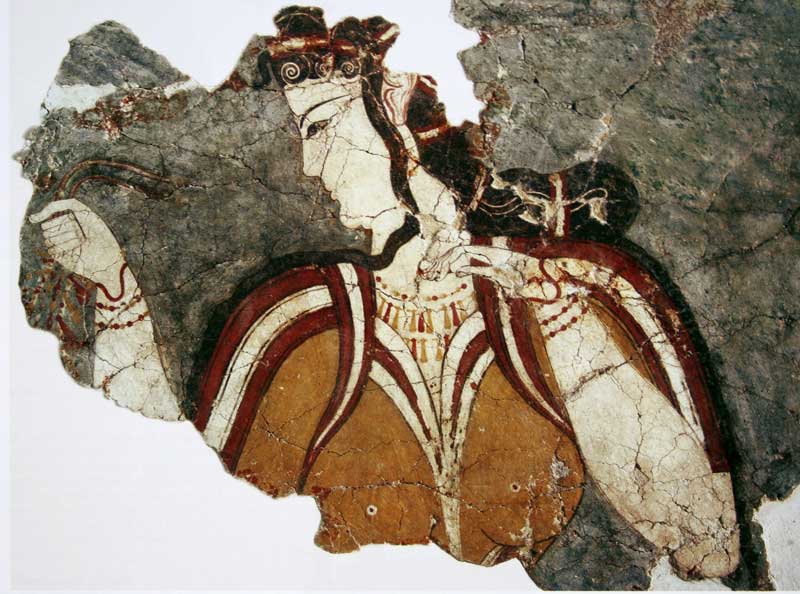
The Mycenaean were maritime traders and shipbuilders, inheriting and adapting many seafaring traditions from the Minoans of Crete. They had trading contact with other Aegean cultures, as evidenced by the presence of gold, copper, ivory and glass in the Mycenaean settlements, as well as the discovery of Mycenaean goods like pottery in places as far afield as Egypt, Anatolia, Sicily and Cyprus. In addition, items like olive oil, perfumed oil, and wine were also significant Mycenaean exports. But unfortunately, more details on interregional trade are unavailable, due to the paucity of surviving written records, except for example, only around 70 Linear B clay tablets from a major site like Mycenae.
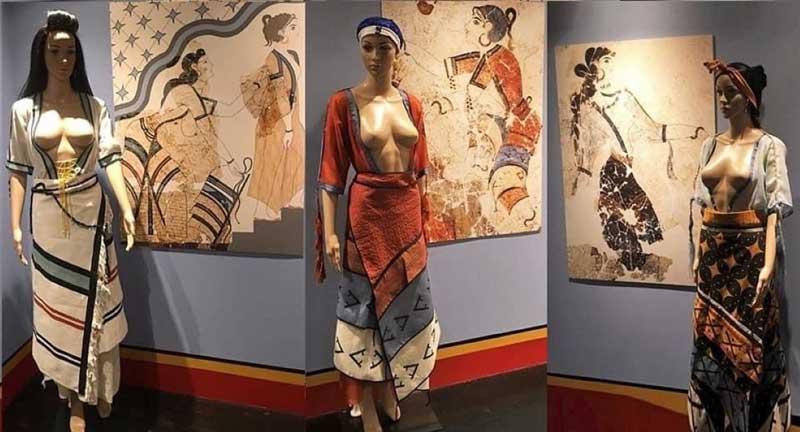
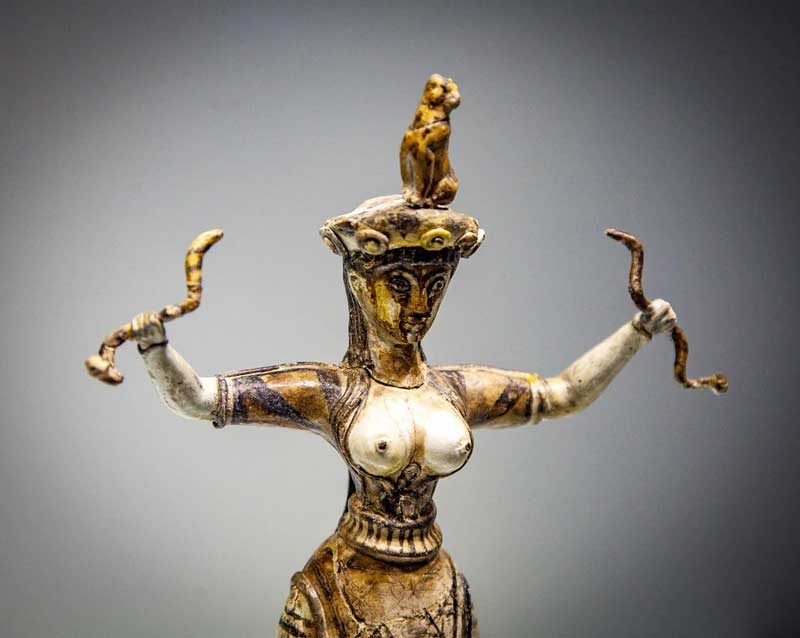
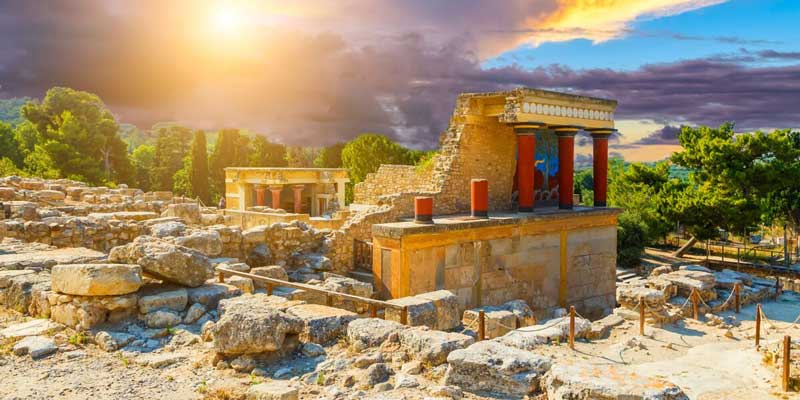
Mycenaean society was a strict, male-dominated hierarchy, centred on palace administration, governed by a wanax or king, and a military leader or lawagetas, while the elite males served as high-ranking officials, including governors and military personnel. On the other hand, the majority of women in the male-dominated Mycenaean society worked in large workshops producing textiles. However, although Mycenaean art depicted women, particularly in the elite, as participants in domestic life, ceremonies, and as primary caretakers, high-status women, particularly religious officials known as key-bearers or priestesses, held significant authority, who could control land, manage labour, and held high social status, often operating outside the strict palace economy Notably, the dress code and attire of the Mycenaean women was evidently influenced by Minoan fashion, wearing flouncing skirts with tight-fitting bodices, often with intricate borders and open in the front, exposing their breasts, which was a characteristic feature of their dress, as appeared in their art, especially the figurines, among which the most famous is the iconic, glazed ceramic statues of Knossos, the Minoan snake goddess from approximately 1600 BC, depicting bare-breasted women in traditional flounced skirts holding snakes, likely signifying fertility, and underworld power.
The Minoan love for natural forms and flowing design was adopted by the Mycenaean artisans, which is evident from their frescoes, pottery, and jewellery. However, geometric designs were also popular, which were used to create decorative motifs like spirals and rosettes. The shapes of their pottery are also much like the Minoan, with the notable additions of the goblet and the alabastrons or squat jars, with a definite preference for large jars. The Mycenaean frescoes depicted plants, mythical gryphons, lions, bull-leaping, battle scenes, warriors, chariots, figure-of-eight shields and boar hunts, while Terracotta figurines of animals, specially standing female figures were very popular.
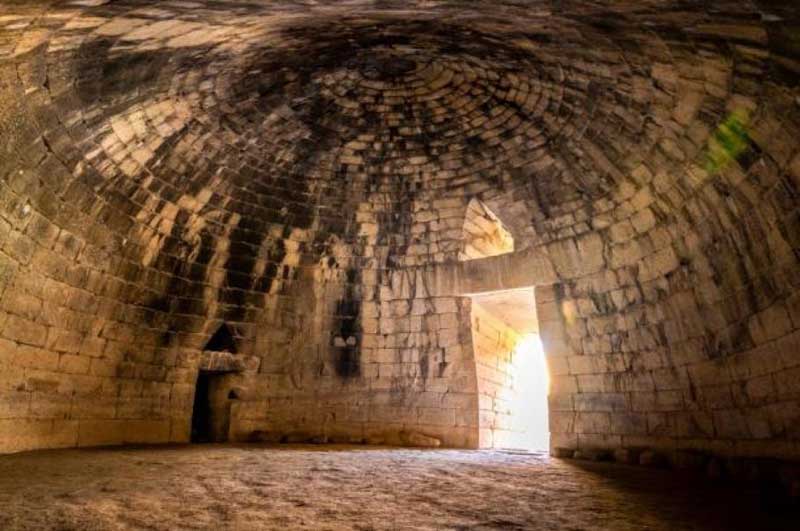
The language of the Mycenaeans was Mycenaean Greek, the oldest known form of the Greek language. However, one of the most significant Mycenaean achievements was the invention of a new writing system, named Linear B, which was primarily used for inventorying, commercial transactions, and recording palace administration. Interestingly, the Linear B tablets include names of deities that appear in the later Olympic pantheon. However, except for the importance given to animal sacrifice, pouring of libations or drinks as an offering to a deity, and celebrating communal feasting, little is known for certain about the religious practices of the Mycenaeans. Nevertheless, the presence of double axe carvings, horns of consecration in art, along with the architectural features like sunken basins and fresco depictions of altars, positively suggest that the Megarons, the central hall of the large Mycenaean houses, may have had a religious function.
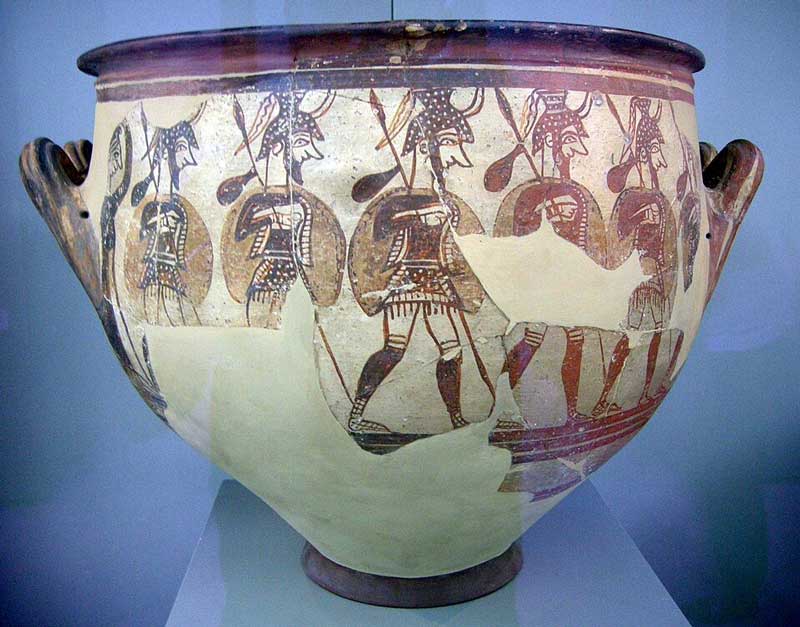
The decline of the Mycenaean civilization started around 1200 BC and was fully completed by 1100 BC. However, the decline was not due to a single event but rather a combination of several linked factors. The factors responsible for the collapse included major natural disasters such as earthquakes, volcanic eruptions, and tsunamis, evidences of which includes broken pottery, damaged buildings, and human remains found under collapsed structures, and all pointing to strong seismic activity in the area. In addition to those natural disasters, there was a significant climatic change, including a long period of drought, caused by the eruption of the Santorini volcano, which consequently led to poor crop yields and widespread famine. At the same time, the fall of the neighbouring powers, like the Hittite Empire, disrupted the Mycenaean trade networks. Furthermore, overpopulation, internal conflicts, and invasions by foreign groups, such as the Sea Peoples, contributed to the mysterious end of the Mycenaean civilization, marking the beginning of the so-called Bronze Age Collapse in the ancient Aegean and broader Mediterranean regions.