FREE ASSISTANCE FOR THE INQUISITIVE PEOPLE













Located in the foothills of the Himalayas, at elevations ranging from some 1,260 to 3,610 feet (385 to 1,100 m), and mainly occupying the broad Patlidoon Valley in the Nainital district of Uttarakhand, Jim Corbett National Park, also simply known as Corbett National Park, is the oldest and most popular national parks in India. Covering around 520 square km area of hills, and meadows, riverine belts and marshy depressions, dense forests, grasslands and lakes, it is the first national park of the country, originally established in 1936 as Hailey National Park, named after the then local governor, William Malcolm Hailey. However, subsequently in 1954, it was renamed Ramganga National Park, after the River Ramganga that flows through park, only to be renamed again in 1956 as Jim Corbett National Park, in the memory of the famous hunter and environmentalist, Jim Corbett, who took the initiative, playing a vital role in its establishment and had died the year before, in 1955. Displaying the unique geological and biological features of the sub-Himalayan region, the park contains around 600 different species of plants, which include around 110 tree species, and is home to more than 50 animal species, around 600 bird species, and 25 reptile species. Interestingly, the much publicised Project Tiger Initiative in India, aimed to give refuge and protect the alarmingly declining tiger numbers, was founded in the park in 1973. Corbett National Park is also one of the thirteen protected areas covered by the Terai Arc Landscape of the Swiss-based The World Wide Fund for Nature (WWF), aimed to protect the Royal Bengal Tigers, Asian Elephants and the Indian Rhinoceros, by restoring the wildlife corridors to connect 13 protected areas for enabling smooth seasonal wildlife migration.
Usually, mornings in the park are foggy, but unlike most of the other protected parks of the country, weather of the Jim Corbett National Park is temperate, with temperatures varying from a cool 6°C (43°F) in winter nights to a scorching 36°C (97°F) during peak summer days, while rainfall ranges from light showers during the winter to heavy downpour during the monsoon in summer, when all the roads in the park remain closed. The best time to visit the park is therefore, during the wintry days, from November to February, which offers pleasant weather, abundant opportunity of wildlife sightings, and more chances to spot the migratory birds. The park is divided into nine different zones, which include the Dhikala, Bijrani, Jhirna, Durgadevi, Sonanadi, Garjiya, Dhela, Phanto, and the Sitabani zone, each with its own entry gate, offering different landscapes and unique wildlife encounters. Among the zones, the Bijrani zone is open from October 15th, while all the other zones open on November 15th.
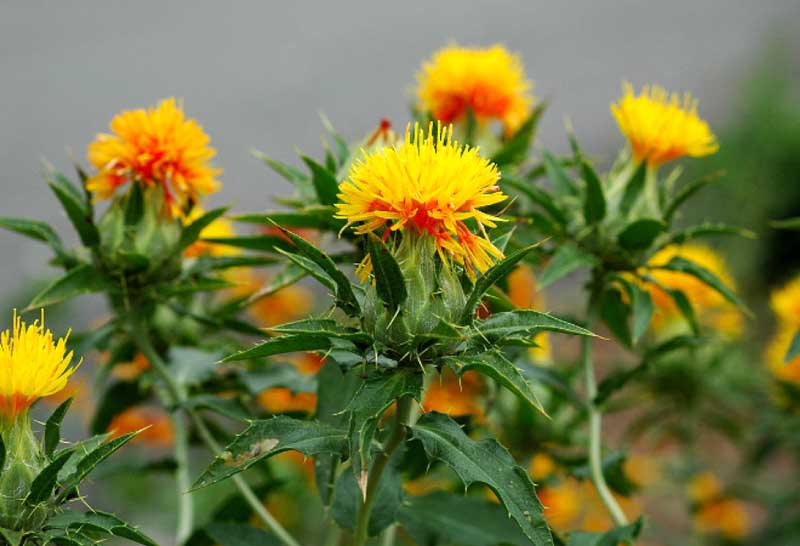
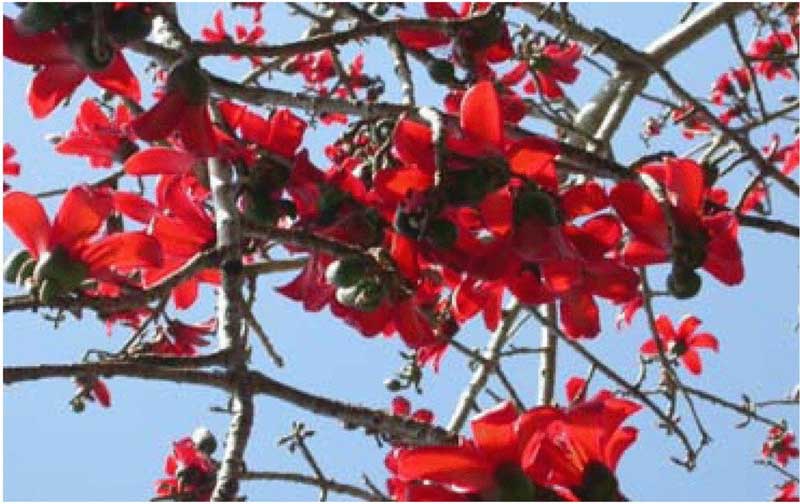
The plant kingdom of the Jim Corbett National Park comprises trees, shrubs, ferns, grasses, climbers, herbs and bamboos. However, the forest cover mainly includes species like Sal, Khair and Sissoo, while many other species, like Oak, Birch, Cypress, Silver fir and Bamboo are found scattered throughout the area. Pinus Roxburghii, commonly known as Chir Pine or longleaf Indian Pine, is the only conifer in the park, found on ridge-tops like ChinChoti, and Banj Oak, a truly Himalayan species, is seen on the elevated levels near Kanda. Prominent Palm species in the park are Date Palms, found in the well-lighted open areas, while Kaju or Cashew, Jamun or Black Plum and Aamla or Indian gooseberry, offering various health benefits, are seen in the moist areas. Other common tree species in the park comprise Bel (Bengal Quince), Kusum (Red Silk Cotton Tree), Mahua (Indian Butter Tree), and Bakli (Indian Ash), all of which are part of the park's divergent flora, contributing to its rich ecosystem. Apart from the above, a reed forest was later planted to afford natural cover for the park’s animals. In addition to the above, there are several flowering plants which create a riot of colours in the park, namely Dhak or the Flame-of-the-forest with bright orange flowers, Amaltas with bright yellow chandelier-like flowers, Madaar or Indian Coral with bright scarlet red flowers, Kachnar with pink and white flowers, and Semal, also known as cotton tree, with big red blooms.
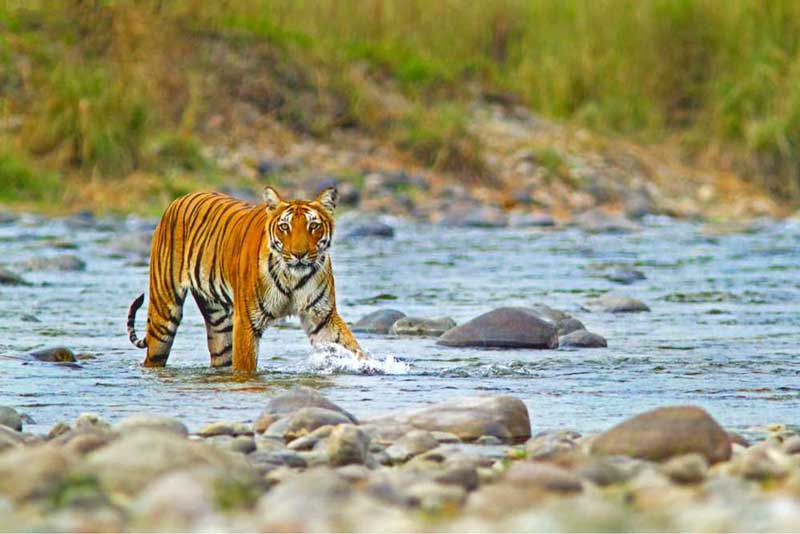
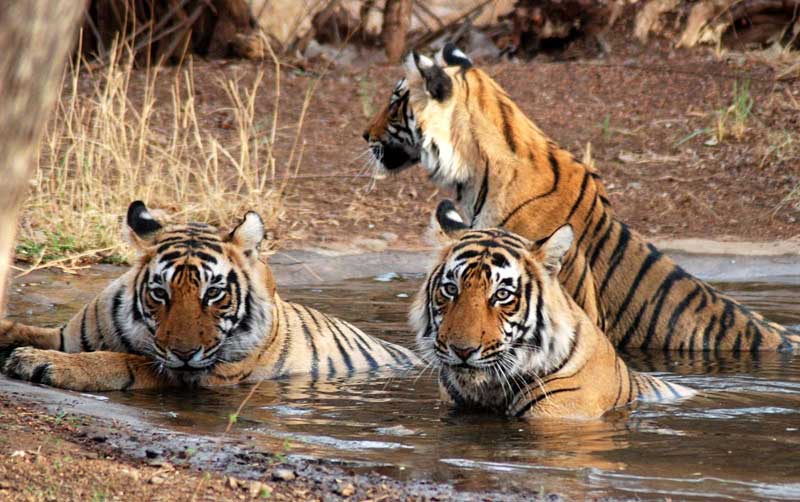
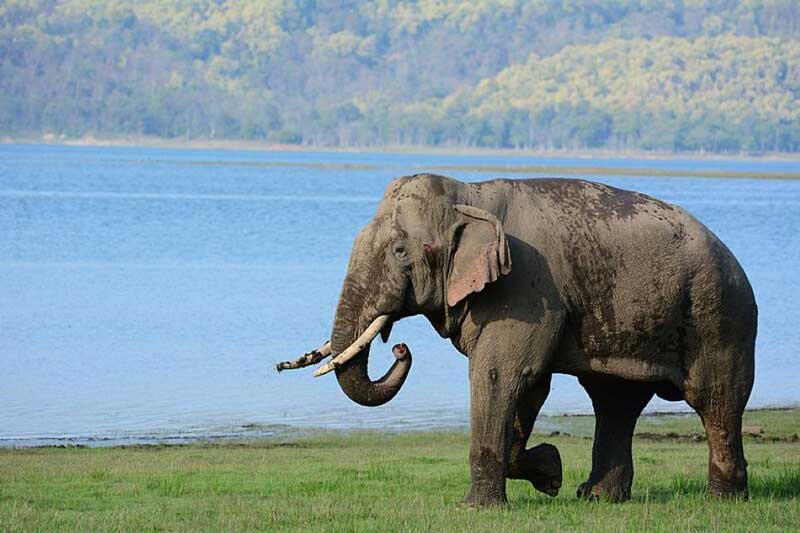
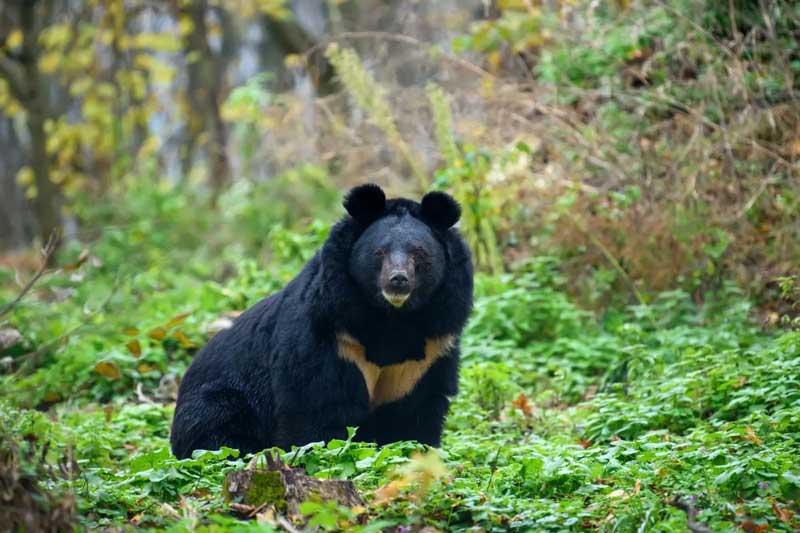
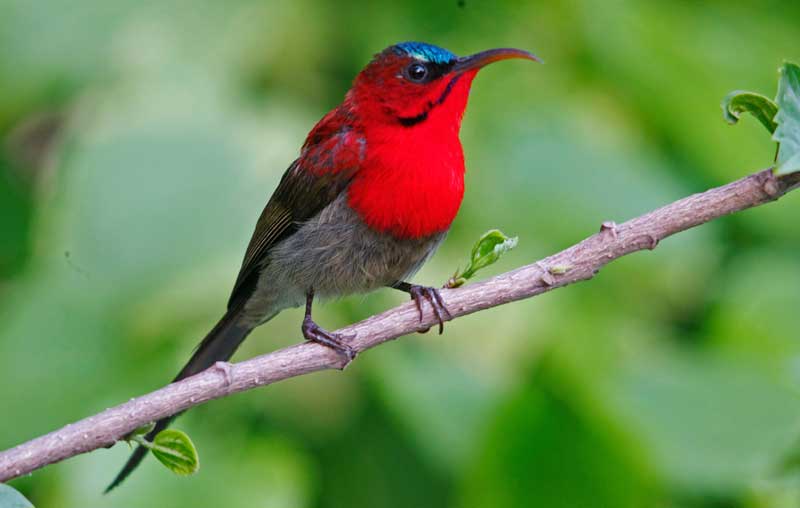
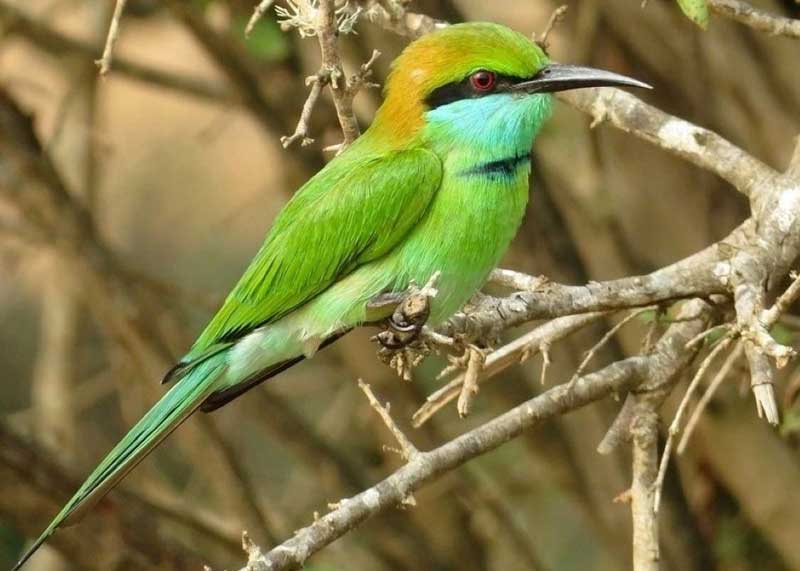
There was a time when several man-eating tigers created terror in the Terai-Bhabar region, but the Jim Corbett National Park was mainly established for the protection of the drastically declining population of the Royal Bengal Tiger during the later years, due to several reasons, which include illegal poaching. Apart from the majestic tigers, other smaller species of predators found in the park include Leopard, Leopard Cat, Jungle Cat, Fishing cat and Indian Grey Mongoose. Other mammals inhabiting the park include, among others, Elephants, Himalayan Black Bears and Sloth Bears, several species of Deer, like the Barking Deer, Indian Hogg Deer, Sambhars, and Chitals, Nilgai, Yellow-throated Martens, Gorals, Langur, commonly called the leaf monkey, Rhesus Monkeys, and Indian Pangolins. It is estimated that the number of the resident and migrant bird species in the park is around 600 species, which include the Indian White-backed Vultures, the Crested Serpent Eagles, Black Partridges, Golden Orioles, Black-crowned Night Herons, Indian paradise flycatchers, Red Jungle Fowls, the nocturnal Nightjars, Owls, and many more. The 33 species of reptiles in the park include Indian Python, King Cobra and Common Cobra, while species of crocodiles include Gharials and Muggers.
Jim Corbett National Park is one of the very few national tiger reserves that allow overnight camping in the otherwise restricted area. There are also several eco-tourism initiatives in the park, which include community-based tourism programmes, aimed to promote sustainable tourism and conservation efforts. Apart from participating the workshops on ecotourism, one can also explore the forest area of the park by joining a wildlife safari tour on an open jeep. In addition to that, visitors can enjoy several other attractive activities in the park, like elephant rides, bird watching, nature walks, and many more.