FREE ASSISTANCE FOR THE INQUISITIVE PEOPLE









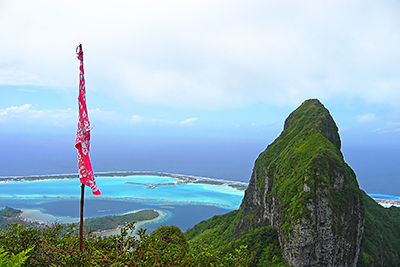
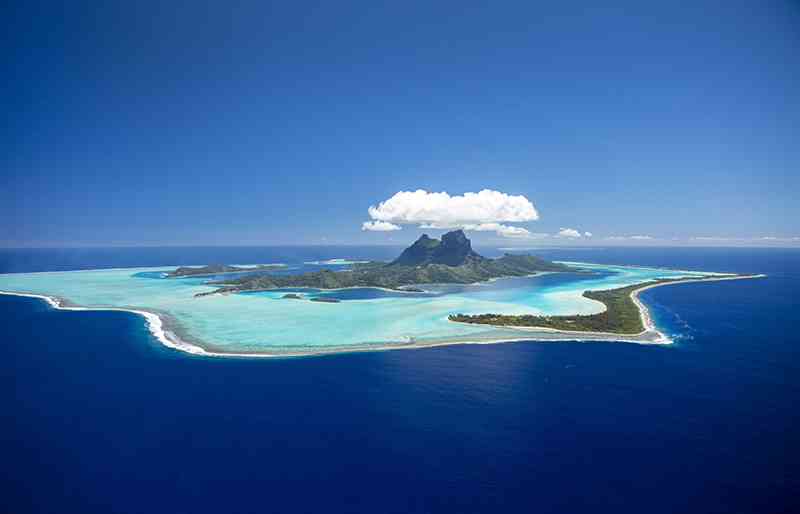
Known as the Jewel of the South Seas, Bora Bora Island in French Polynesia, located about 160 miles northwest of Tahiti in the South Pacific, is a French island group in the Leeward Islands, comprising the western part of the Society Islands, and an overseas collectivity of the French Republic in the South Pacific. Formed by an extinct volcano, surrounded by a lagoon and a vibrant fringing reef, Bora Bora is a romantic reality, an internationally acclaimed honeymoon destination, complete with iconic overwater bungalows, against the dramatic backdrop of Mount Otemanu. Apart from Mount Otemanu, a sharp-peaked dormant volcano, rising 2,385 feet (727 m) in the sky, with its highest point, known for its dark, jagged rock spires and stunning views over the turquoise lagoon, the mountainous island, around 10 km (6 miles) long and 4 km (2.5 miles) wide, also contains the 2,169 feet (661 m) high twin-peaked Mount Pahia, while the necklace-shaped coral reefs surrounding the central island, is acting as a barrier, protecting the island it from the rough waves from the open sea. The main island has four open bays overlooking the lagoon, of which the Tuuraapuo Bay separates the main island from two islets, known as Toopua and Toopua-iti.
According to local legend, Bora Bora was the first island to rise from the ocean after the god Taaroa, the supreme creator god in the mythology of Tahiti and the Society Islands, known as the primordial being who existed alone in a cosmic shell before the universe, created the surrounding lands, and the name Bora Bora comes from the ancient Tahitian word Pora Pora, which stands for firstborn, but later, the Western explorers misheard and changed the name to Bora Bora because the Tahitians do not have any alphabet representing the sound of B. Though Polynesian people had already lived on the island for more than a thousand years, Dutch admiral Jacob Roggeveen, best known for making the first recorded European contact with Easter Island aka Rapa Nui , was the first European to notice Bora Bora in 1722, during his South Pacific expedition. However, he did not land on the island, but later, the famous British Royal Navy officer and explorer, Captain James Cook, visited the island in 1769 and 1777, and it was annexed by France in the late 19th century.
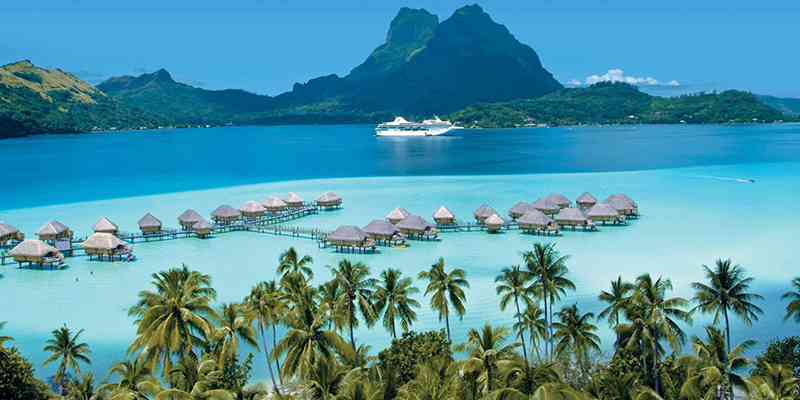
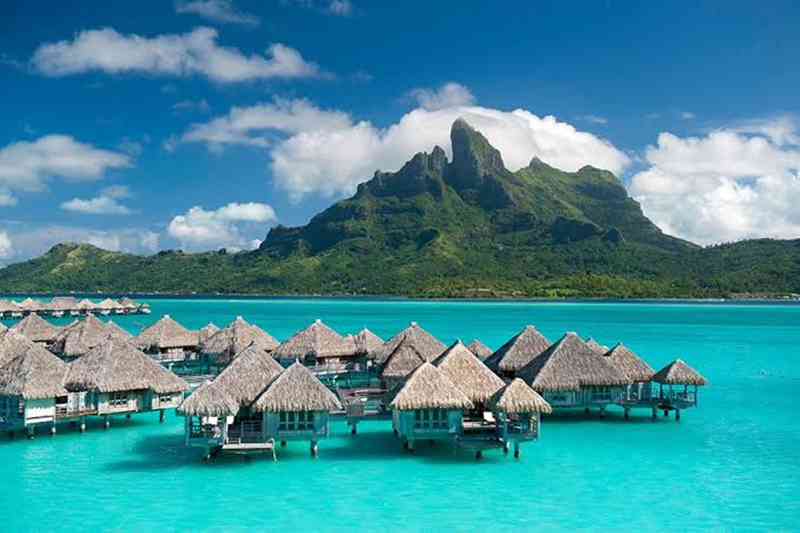
Nestled amidst crystal-clear waters and embraced by lush landscapes, Bora Bora exemplifies a dedication to responsible tourism and environmental stewardship, setting a global benchmark for sustainable tourism. The island's economy is driven almost entirely by tourism and with the opening of Hotel Bora Bora in 1961 and the invention of the iconic overwater bungalows on the stilts over the lagoon nine years later, in 1970, the island's economy shifted entirely to high-end, and mainly on sea-oriented resort tourism. Today, Bora Bora has become synonymous with floating and lavishly furnished bungalows complete with glass floors that serve as a huge window to the lagoon life below. Even, several resorts have been built on their own tiny island, locally known as motu, surrounding the lagoon. The bungalows range from relatively inexpensive basic accommodations to luxurious and expensive ones.
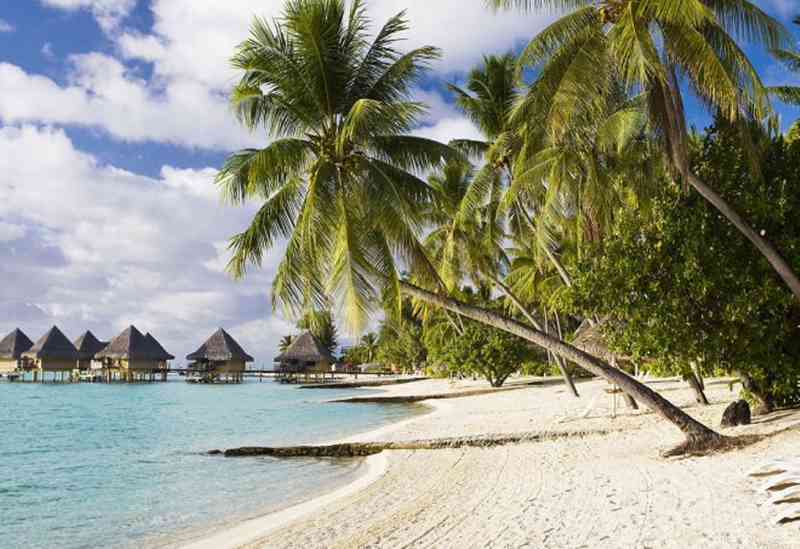
Bora Bora Island, often called the Pearl of the Pacific, offers several exciting things to do for enthusiastic visitors, which include swimming or relaxing on the white sands at the picturesque Matira Beach, scuba diving or snorkelling among manta rays and myriads of tropical fishes around the vibrant coral reefs, enjoying a picnic with fiends or families on a deserted motu, taking a sunset cruise on a catamaran, boating, paddling or kayaking on the blue lagoon, hiking the trails around Mount Otemanu, amidst lush tropical vegetation, exotic birds, and offering panoramic views of the lagoon and main island, or an adventure touring the volcanic interior.
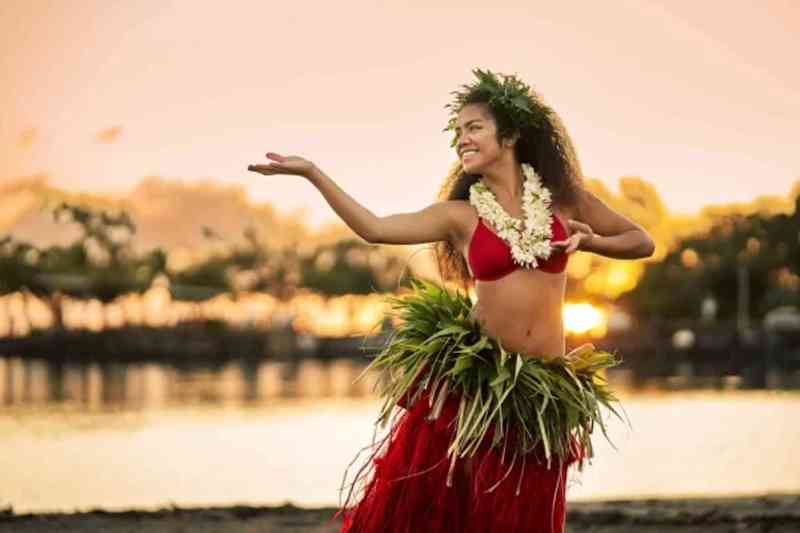
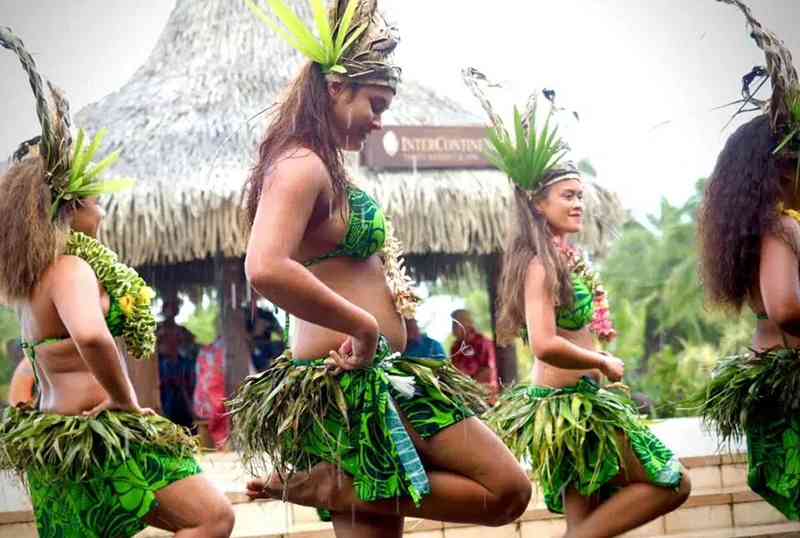
Traditional Tahitian dance, known as Ori Tahiti, is a vital cultural art form rooted in the Society Islands, characterised by the fast, hip swinging movements of the dancing women and energetic knee-flapping for men, performed against heavy wooden drumbeats and live chanting, creates a mesmerising effect on the lucky tourists, during the shows performed at the major island resorts or during the annual Heiva i Bora Bora festival. Interested visitors may also take the opportunity of wandering through Vaitape, the main town and administrative capital of Bora Bora, located on the west coast of the island, to collect authentic local handmade souvenirs like hats, bags, and intricate shell or wood carvings, loose Tahitian black pearls and custom handmade island jewellery.