FREE ASSISTANCE FOR THE INQUISITIVE PEOPLE



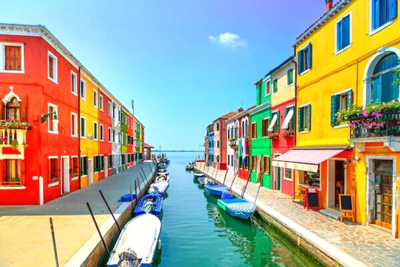










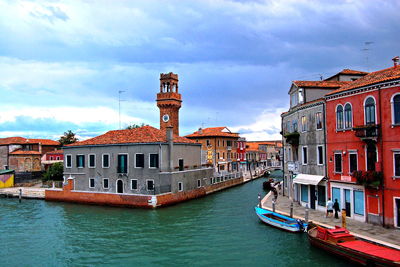
Murano, a neighbouring island of Burano, is a series of seven islands, measuring about 1.5 km in the Venetian Lagoon, linked by bridges over eight channels and located about 1.5 km north of Venice, where life revolves for centuries around furnaces where glassware is blown. While the colourful Burano is famous for the display of its fabulous handmade laces, Murano is known for its old glassmaking tradition and was once the home of the only glassblowers in the world equipped with the special skill to create glass mirrors. Murano glass, regarded as an Italian symbol of luxury, once developed in the picturesque location of the Island of Morano, which is within walking distance of Venice, but accessible only by boat.
Local legend says, Morano was known as the Island of women as it was home to a large convent of witches in the early Middle Ages, which is historically incorrect. History says, Murano was initially settled by the Romans, and then, from the sixth century, people fleeing in the path of Attila the Hun from the Roman towns of Altinum and Oderzo, also settled on the island, and it prospered as a fishing port and trading its production of salt. However, its reputation as a centre for glassmaking was initiated when the Venetian Republic, scared of being devastated by fire, ordered the glassmakers to move their furnaces to Murano in 1291.
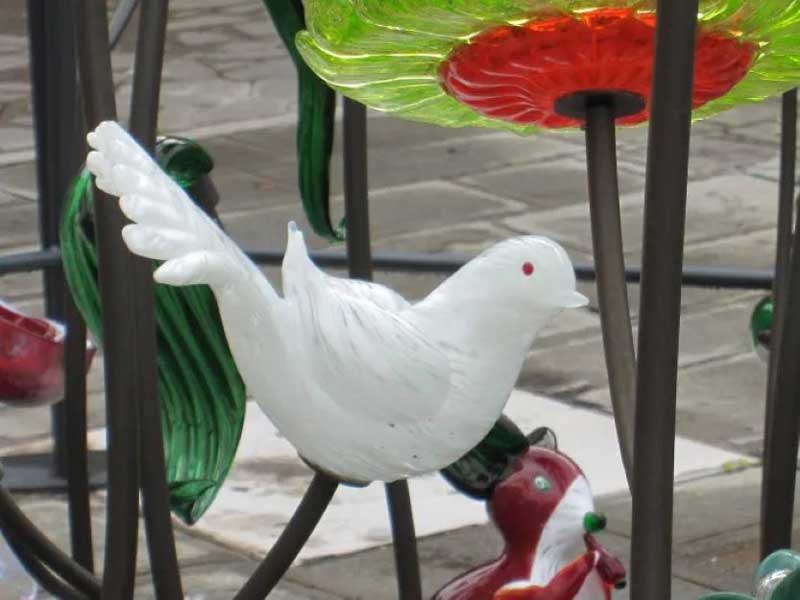
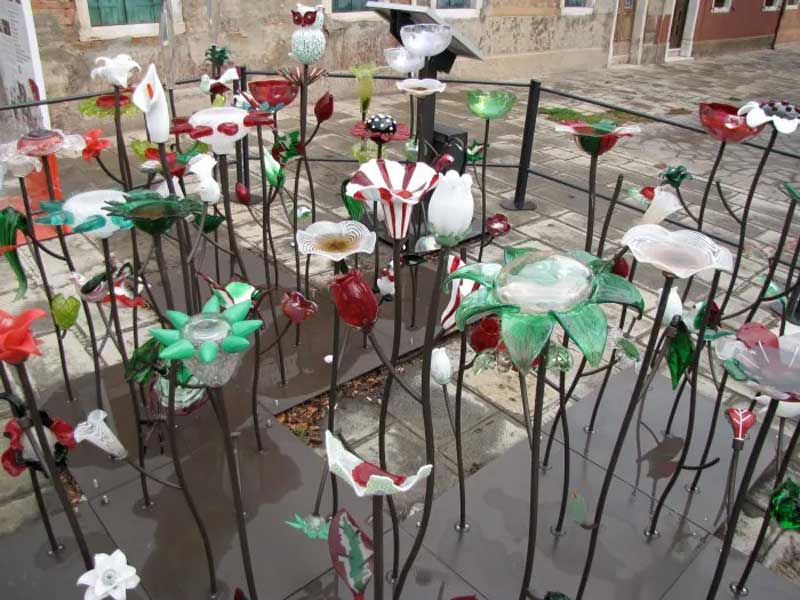
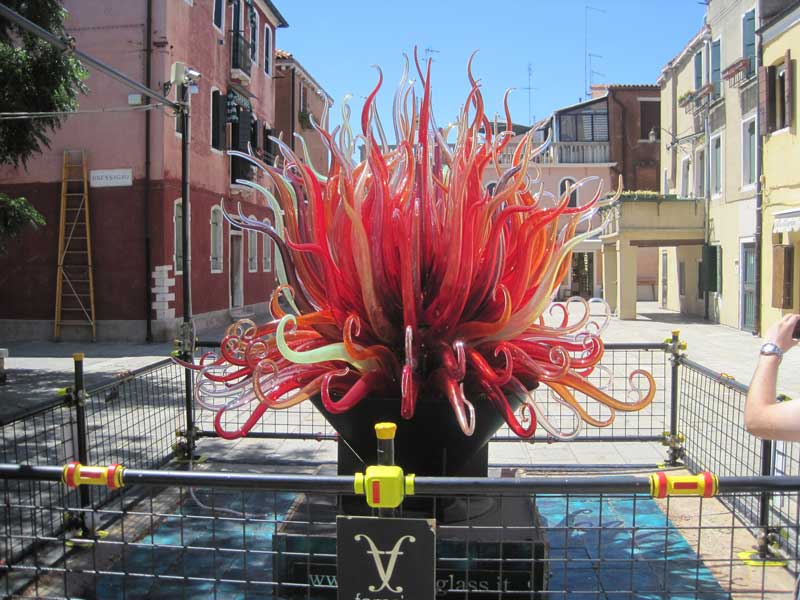
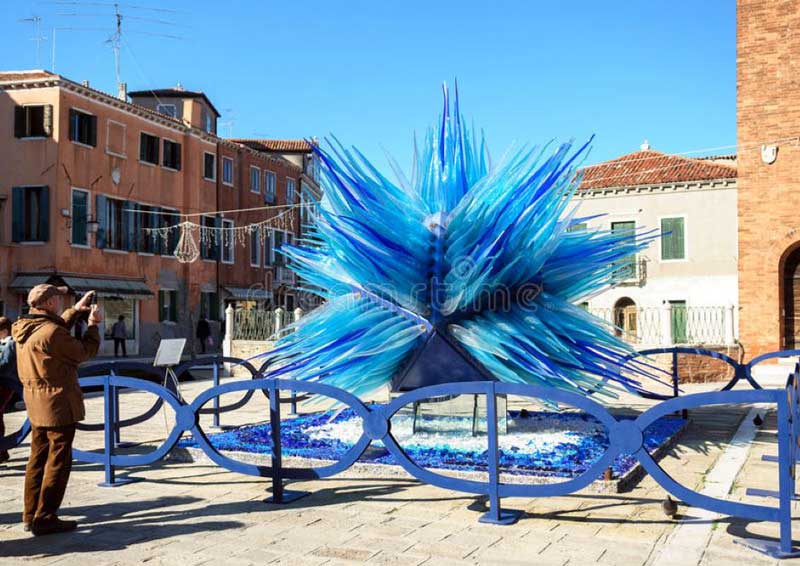
With time, Murano's glassmakers developed and refined different technologies of glassmaking, which include the making of optically clear glass, milk glass, glass with threads of gold, multicoloured glass and even imitation gemstones made of glass. Still today, they apply their centuries-old techniques, but kept protecting the secret of the production of glass and crystal. To protect the original Murano Glass art from foreign markets, the most famous Glass Factories of this island have a trademark that certifies the glass products on the island of Murano. The oldest and most well-known glass factory on Murano is Compagnia Venezia Murano Glass Company, established in 1866, famous for their decorative glass art pieces and elaborate chandeliers.
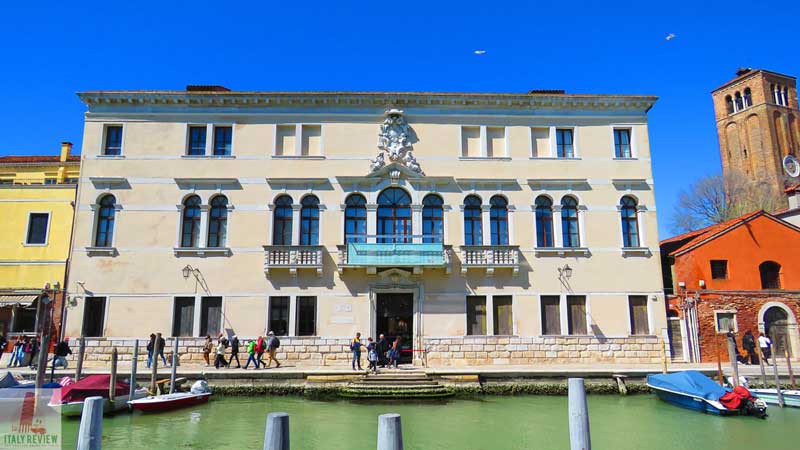
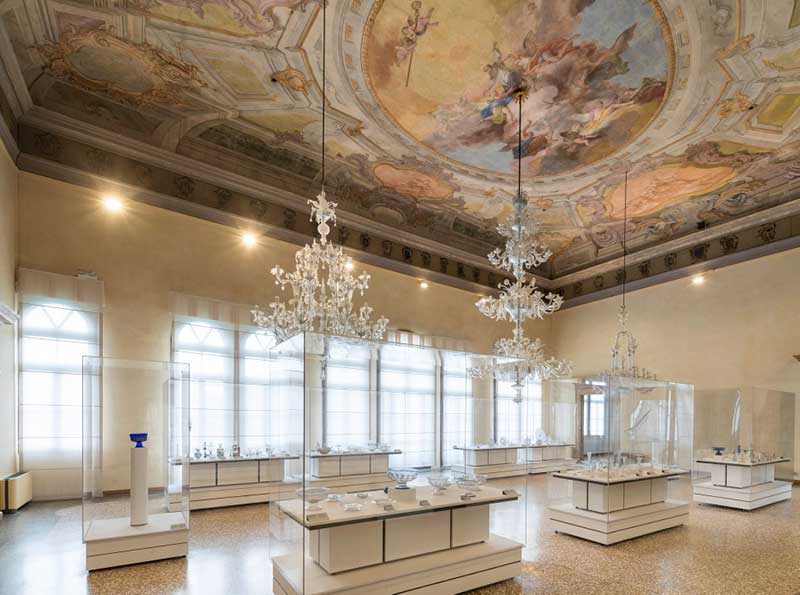
Murano is home to the Murano Glass Museum, known locally as Museo del Vetro, located in Palazzo Giustinian. This palace was once the residence of the bishop of Torcello and later became the town hall of Murano. The museum showcases the history of glassmaking and displays glass samples that range from ancient Egyptian times up to the present day. Murano is internationally renowned for its skilled glassmakers, making it the ideal Venice Island for shopping unique souvenirs, which include valuable glass-blown items and Venetian murrine, which are exceptionally rare charms featuring intricate coloured patterns made in a glass cane.
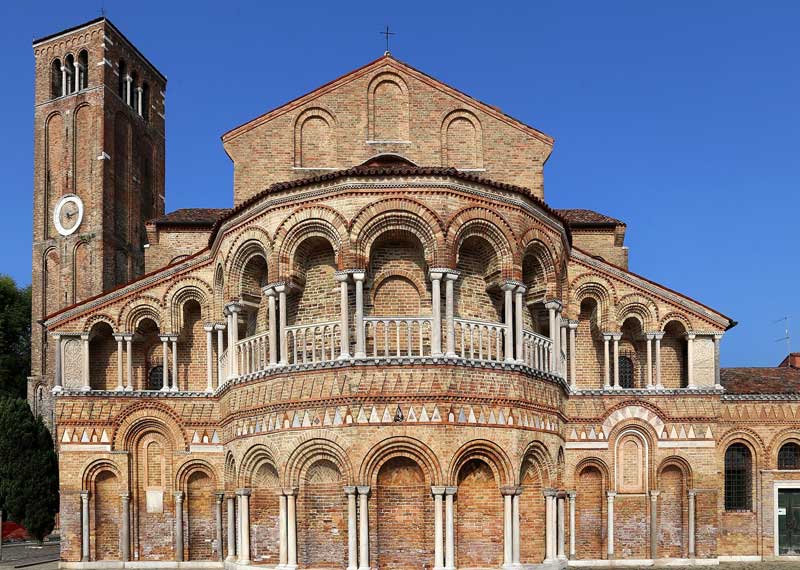
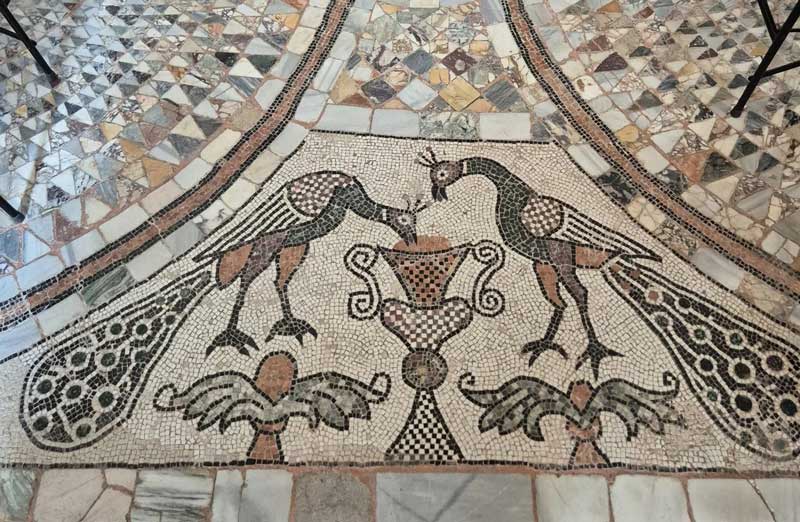
Apart from the Glass Museum, other attractions on the island include the Church of Santa Maria e San Donato, one of the oldest in the Venetian lagoon, originally built in the 7th century and is known to have been rebuilt several times between 1125 and 1040 AD, and also possibly in later times. The church is known for its twelfth century Byzantine mosaic pavement and is said to contain the relics of Saint Donatus of Euroea, a Greek saint, as well as large bones behind the altar said to be the bones of a dragon slain by the saint.
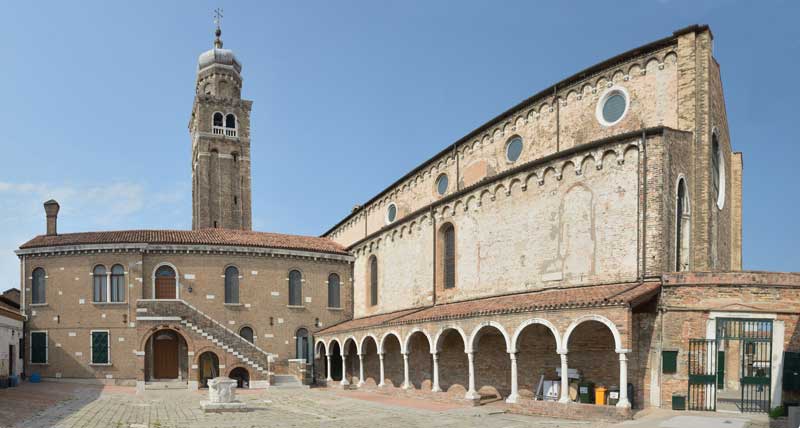
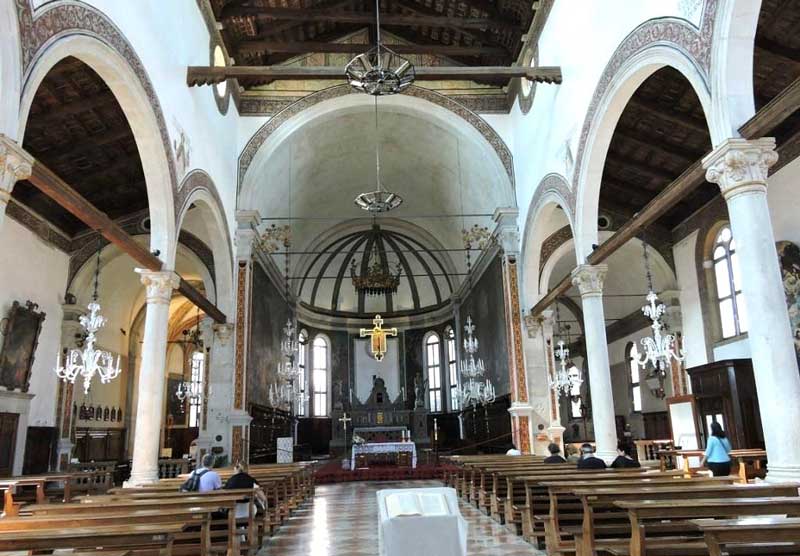
San Pietro Martire, another church in Morano, featuring an unassuming exposed red-brick facade and a freestanding bell tower built between 1498 and 1502, contains notable masterpieces of Giovanni Bellini, Paolo Veronese and Tintoretto, and serves as a vital community anchor and hosts the annual Messa granda on December 6th to celebrate San Nicolò, the patron saint of local glassmakers.
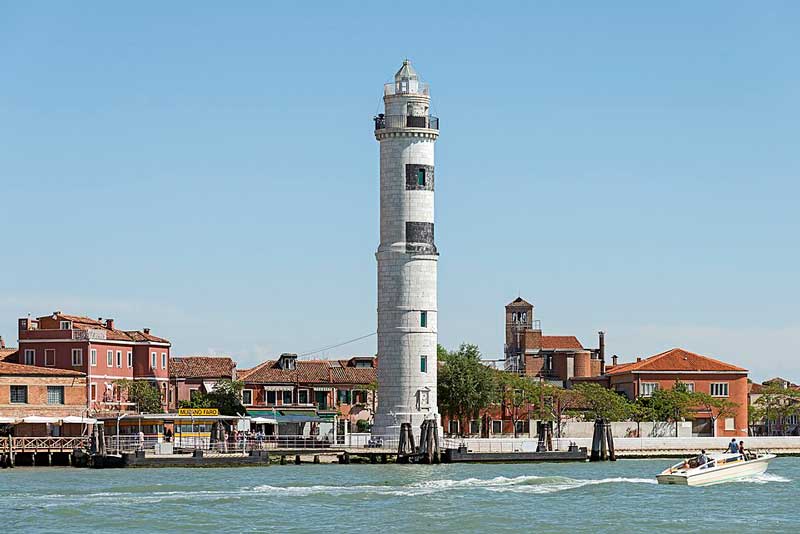
Interestingly, Faro di Murano or the iconic white lighthouse of Murano also attracts people visiting the Glass Island. Built in 1934 on the site of the 1912 metal structure, Faro di Murano or Murano Lighthouse, the 115 feet (35 m) tall, white Istrian stone tower with two black horizontal bands, located on the southeastern point of Murano Island in the Venetian Lagoon, guiding ships safely into Venice, also serves as a primary transit hub for travelling visitors onward to Burano and Torcello or returning to Venice via Fondamente Nove.