FREE ASSISTANCE FOR THE INQUISITIVE PEOPLE
















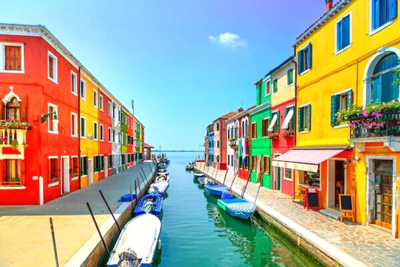
A landmark can be described as a unique feature, an iconic piece of architecture or any type of monument, which can be easily recognised and can be identified with its location. However, the entire island Burano, the northeastern suburb of Venice, comprising four islets in the Laguna Veneta and 7 km from Venice, is instantly recognisable from afar for its brightly painted colourful houses and can safely be described as one of the landmarks of Venice.
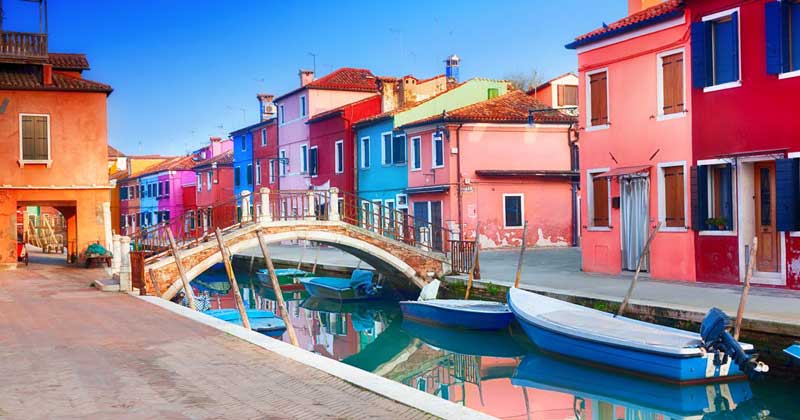
Venice is comprised of 118 islands, which include Burano, one of the most charming islands located near Venice. Considered the most colourful island in the world and probably one of the most photographed one in Venice, Burano is famous for the display of fabulous handmade laces. The island is a 45-minute trip by vaporetto, a Venetian water bus, from St Mark’s Square. But across the waters from the crowded Piazza San Marco, the time has stood still in Burano. It is a small and quiet island, inhabited by approximately 2400 people, contains graceful houses painted with vivid colours and is equipped with canals instead of streets and boats instead of cars.
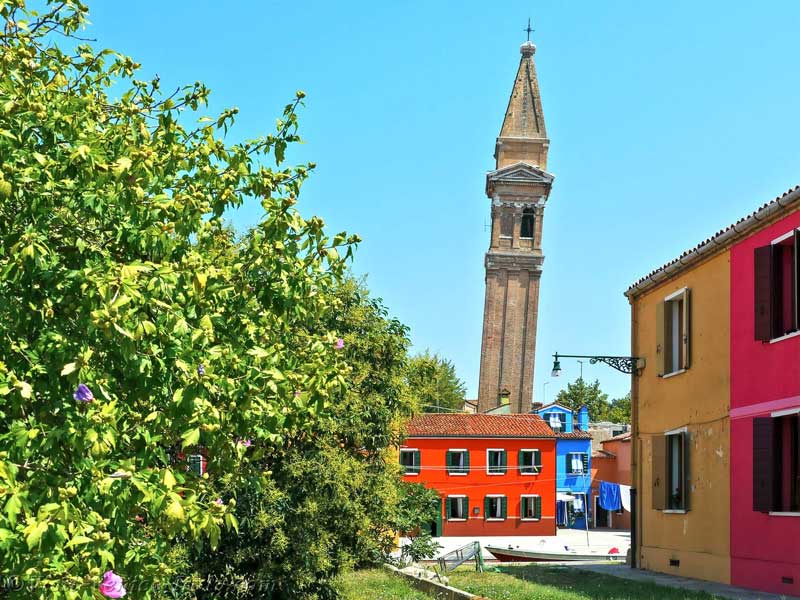
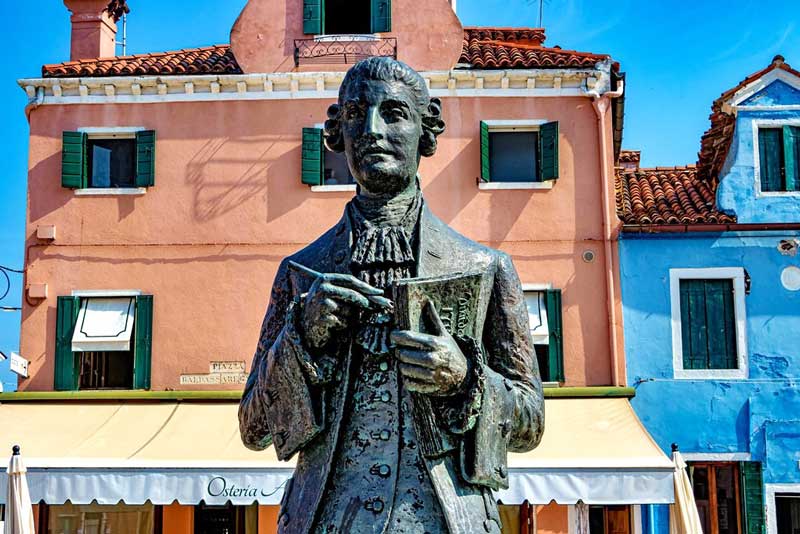
However, the small island has a single square and a single church of San Martino with a bell tower, which is leaning like the Tower of Pisa, because the bases that make up the subsoil have yielded. The 16th-century church of San Martino has a painting by Giovanni Battista Tiepolo, titled the Oratorio di Santa Barbara. The Galuppi Square, located in the centre of the island, has several shops of laceworks, along with the Museo del Merletto, the Lace Museum, the Town Hall, a well made of Istria's stone and the sculpture of Baldassare Galuppi, the famous Italian composer, created by Remigio Barbaro, the well-known sculptor from Burano.
The settlement is thought to have been founded in the 5th century by refugees fleeing in the path of Attila, widely known as Attila the Hun, from nearby Altino in southern Italy, located on a rock spur commanding the valley of the River Aventine. However, there are two stories about its naming. According to a local saying, it was initially founded by the Buriana family, while others maintain that the first settlers of Burano came from the small island of Buranello, which is about 8 km to the south.
Nevertheless, the island rose to prominence in the 16th century, when women of the island started to create artistic laces with fine thread and needles, which became an important item to be exported all over Europe through Venetian-ruled Cyprus. Even, Leonardo da Vinci purchased a lace cloth for the main altar of the Duomo di Milano, the cathedral church of Milan, when he visited the small town of Pano Lefkara, a village on the island of Cyprus, in 1481. But as the trade began to decline in the late 8th century, a school of lacemaking was founded in 1872, as an effort to revive the industry and to combat local poverty. Although lacemaking on the island boomed again and Burano is now one of the last surviving centres of hand lacemaking, today few make lace in the traditional way, as it is extremely time-consuming and therefore expensive.
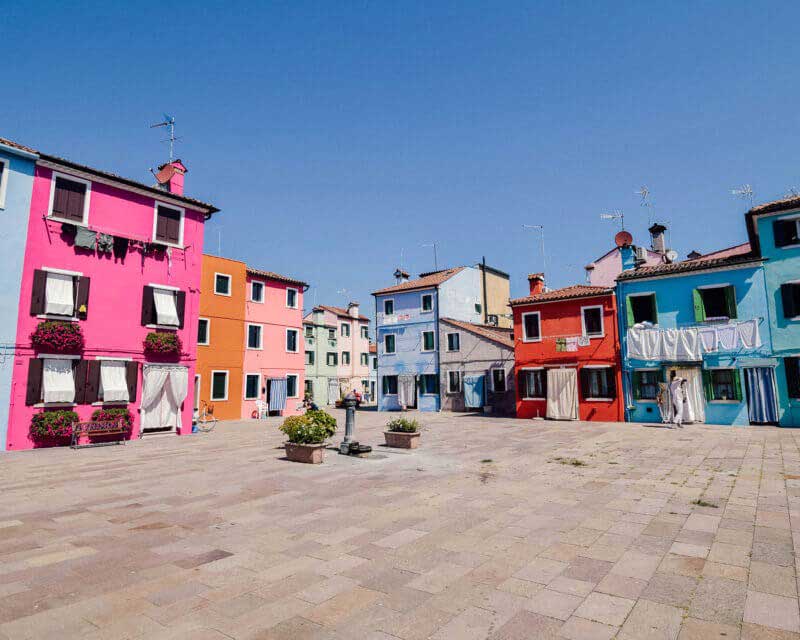
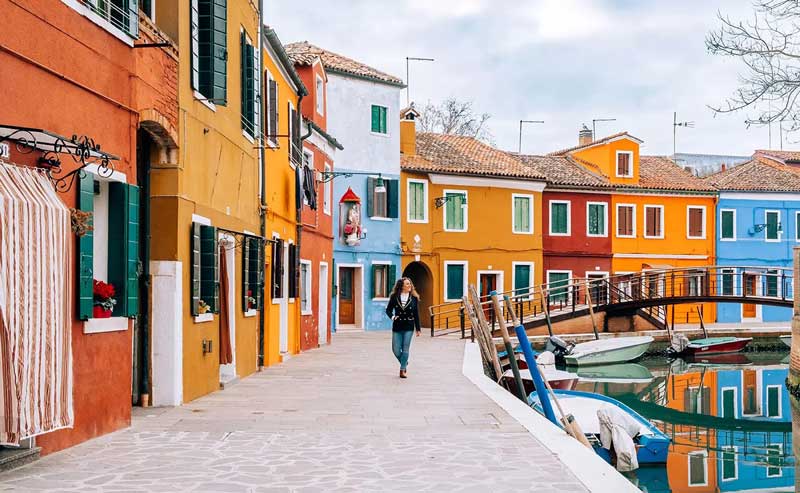
However, despite everything, the colourful island is now more famous for its brightly painted buildings, which are widely popular among visitors. Legend says there was a time, when they served as lighthouses for the sailors and the fishermen to find their way homes during the thick foggy nights. But since the golden age of its development, a specific norm is maintained for the use of colours for painting a house. Before painting a house, one has to apply to the concerned authority for their necessary permission in the matter, which are duly sanctioned with the mention of certain specific colours, which are permissible for that lot.
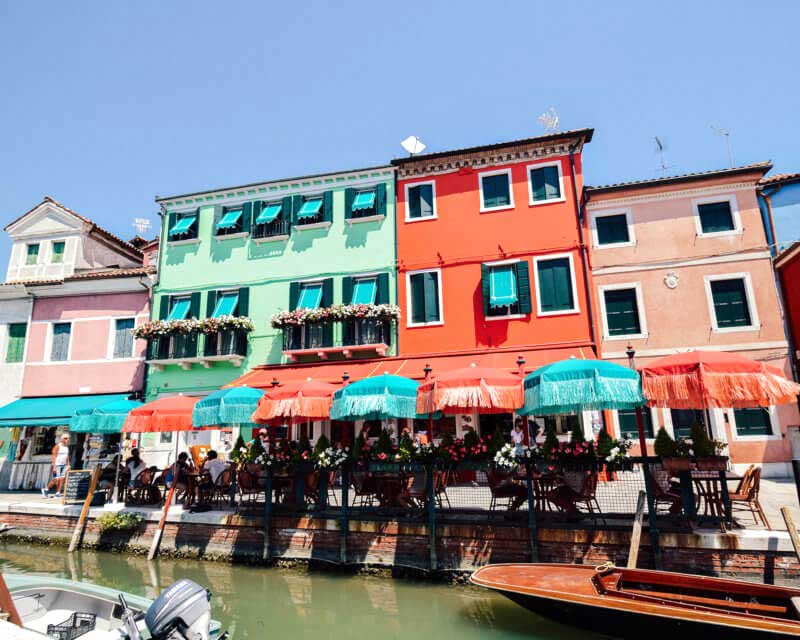
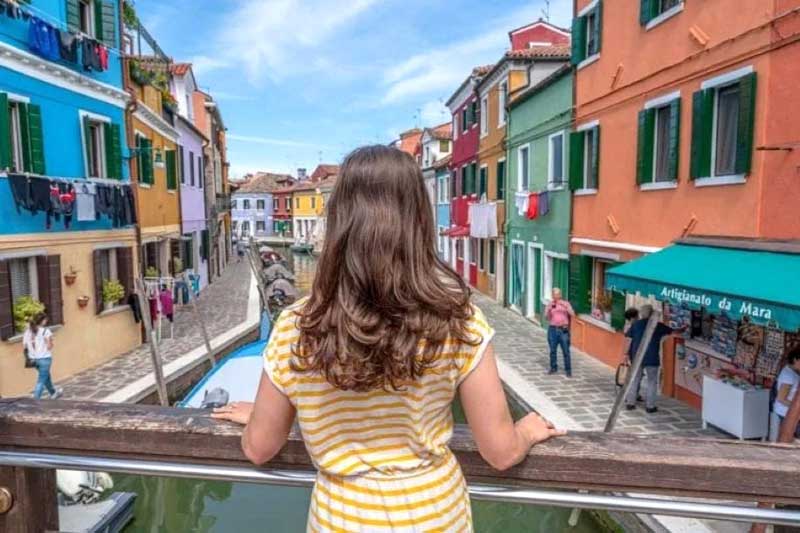
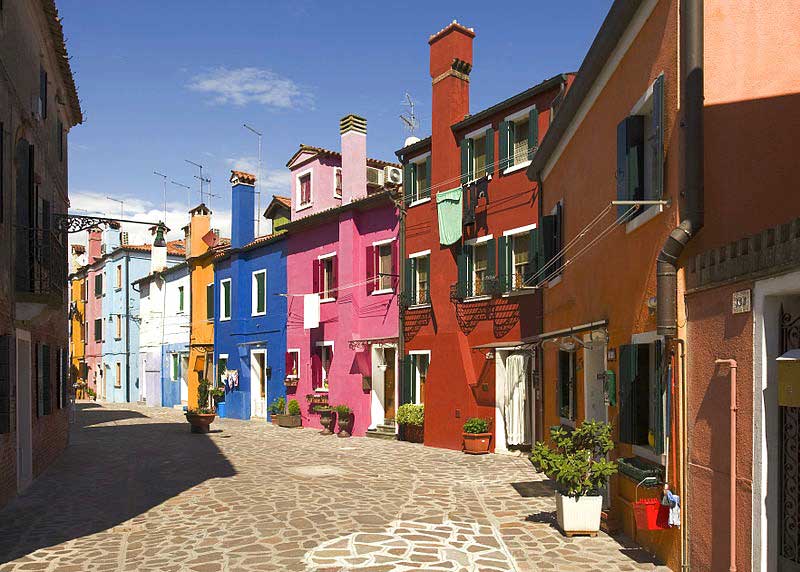
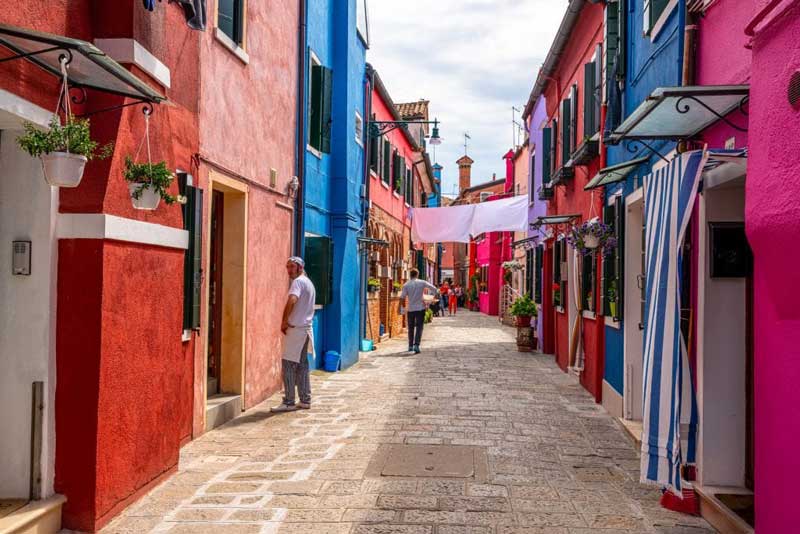
Burano, the sleepy and tiny fishermen's island, every point of which is within 10 minutes of walking distance from the vaporetto ferry station, is like a fairy tale come to life. For the visitors, it looks almost unreal with the narrow canals and all the cute houses in the brightest colours. It is not that only a small portion of Burano is colourful, the small island reveals a riot of colours even off the main route as well. Apart from the colourfully huddled houses, lining the narrow streets and canals with laundry swinging across from window to window, there are also plenty of hidden roads to explore on the island, which lead to the cutest courtyards for gathering an unforgettable exotic experience in life.