FREE ASSISTANCE FOR THE INQUISITIVE PEOPLE











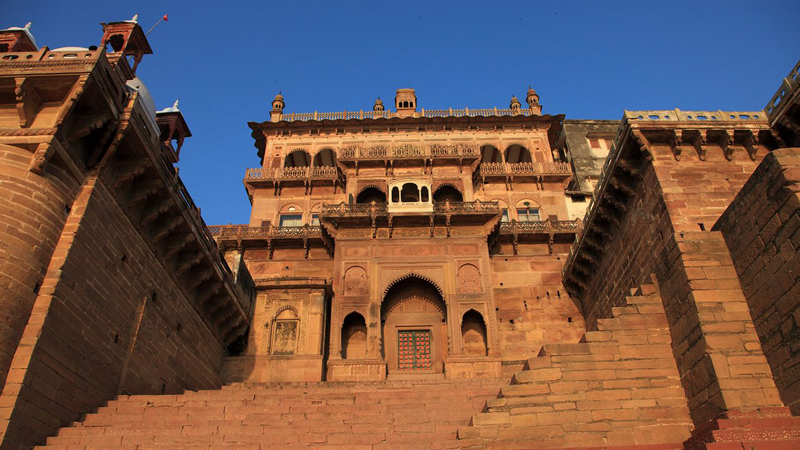
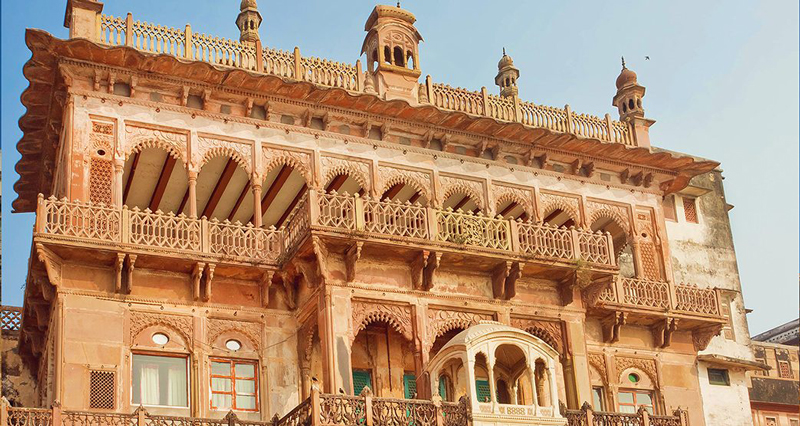
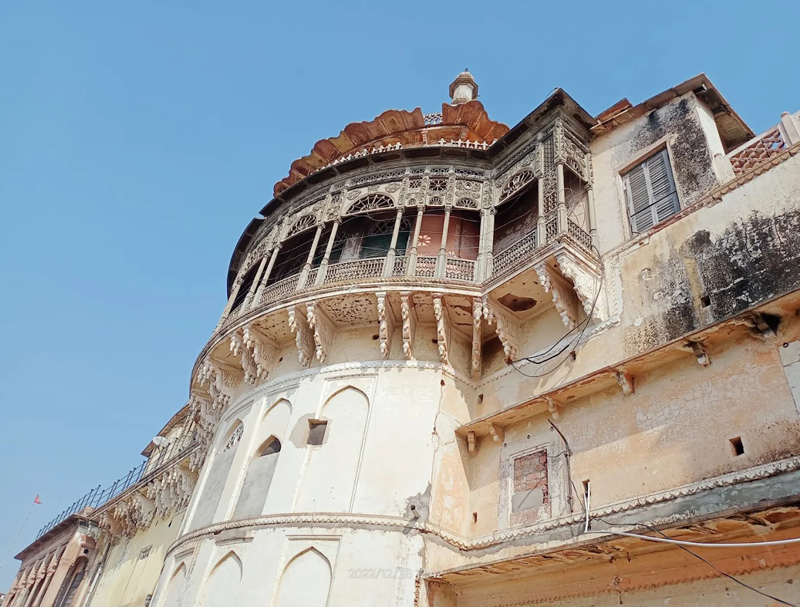
Situated gorgeously on the eastern bank of the River Ganges, opposite Tulsi Ghat, named after the poet of the epic Ramchairitmanas, and standing as a unique testament to the rich cultural heritage of Varanasi, the imposing red sandstone structure of the majestic Ramnagar Fort, along with massive fortified walls, was built in 1750 by Maharaja Balwant Singh, the then ruler of Varanasi. Known as the ancestral home of the Maharajas of Banaras, and displaying mostly Mughal architectural style, the fort was constructed on an elevated ground, beyond the flood level of River Ganges, accessible by an enjoyable boat ride of 30-minutes from Varanasi. An archway and several courtyards, located at the end of the flight of the steps ascending from the river lead, to one of the two white towers of the fort, flanked by the private residence of the Maharaja on one side, and the Durbar Hall or the Public Audience Hall on the other. The fort wall bears an inscription attesting it to be the Fortified House of the Rajah of Benares, along with his State Boat, and the flag is hoisted on the flag stand of the fort, during the Maharaja’s residence in the palace fort. However, the king's residential complex, located in the campus of the fort, is a protected area, out of the reach of the public viewing.
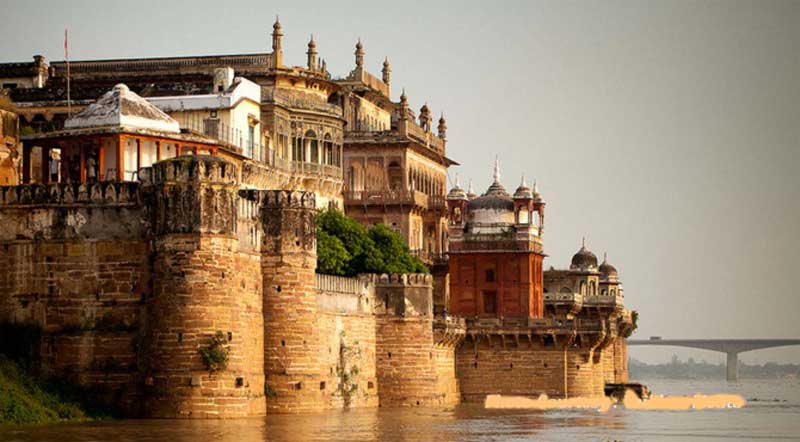
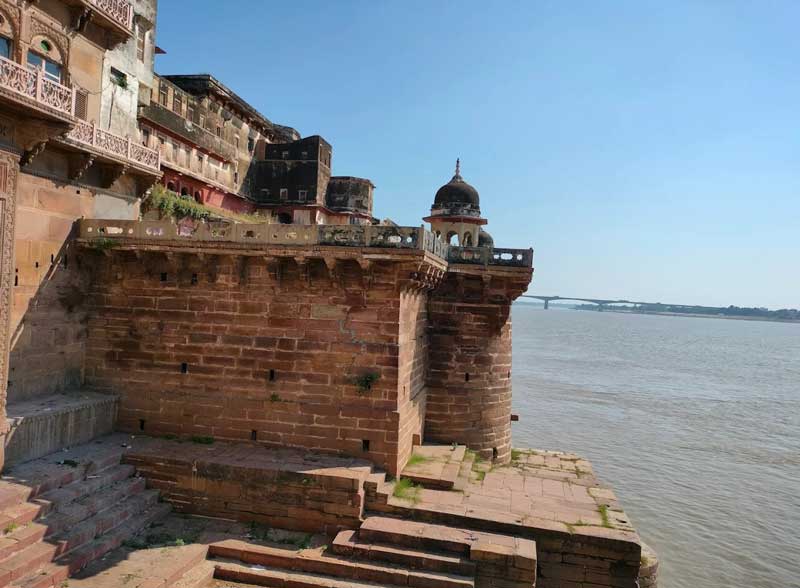
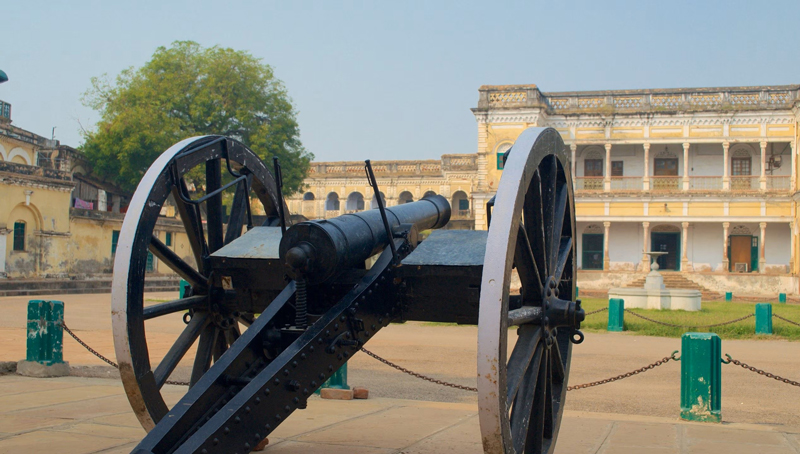
Standing along the Ganges, the striking structure of the Ramnagar Fort, reflecting an excellent combination of Indian and Islamic architectural styles, and containing several buildings, temples, majestic gateways and preserving an extensive collection of ancient weapons, and displaying several other attractive artefacts, evidences the glorious past of the city and proudly depicts its cultural heritage. The fort complex, beautified with a well maintained lush green garden and equipped with several courtyards, contains two white towers, accessible by a flight of steps, the Durbar Hall or the Public Audience Hall, along with a number of other decorated buildings with attractive balconies, several aesthetically carved pavilions, antique cannons, and several Hindu temples. Apart from a Durga Temple, a temple dedicated to Devi Chhinnamastika, and a south facing temple of Hanuman, the complex also houses the Veda Vyasa Temple, dedicated and named after the author of the ancient Indian epic Mahabharata, who is believed to live and meditate in Ramnagar during those days.
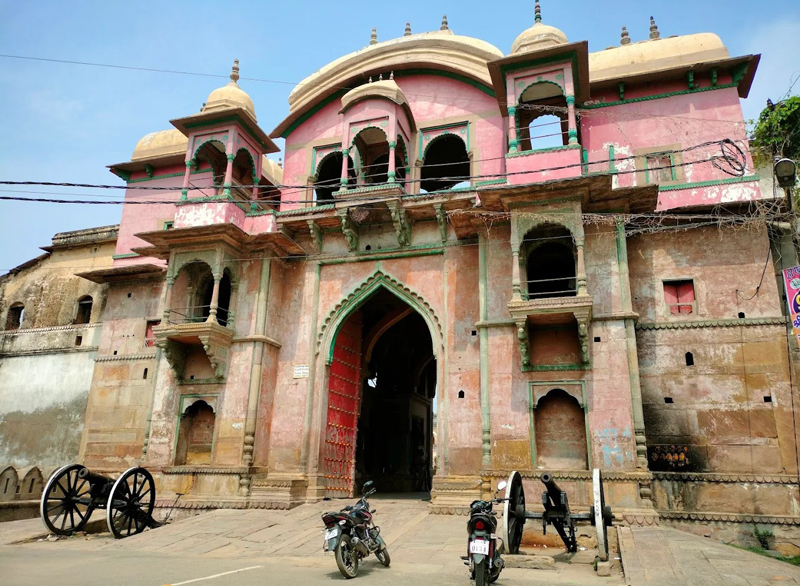
The original Durbar Hall of the fort, converted into a museum and named Saraswati Bhawan, is a treasure trove, which apart from housing old furniture, ivory artefacts, jewellery, and royal costumes, including a heavy lehenga, a traditional outfit for Indian women, supposed to weigh around 20 Kg, also displays an assorted collection of vintage cars and buggies, gold and silver brocaded lotus shaped palanquins, bejewelled chairs, and elephant saddles, intricately carved out of silver. The Armoury Hall displays a fascinating collection of swords and old historical guns, procured from Japan, Burma (present Myanmar), and different African countries. In addition to that, the museum also houses several other items, which include ornate daggers and hookahs, musical instruments and manuscripts, especially religious writings, assorted books illustrated in the Mughal Miniature style, and portraits of the Maharajas.
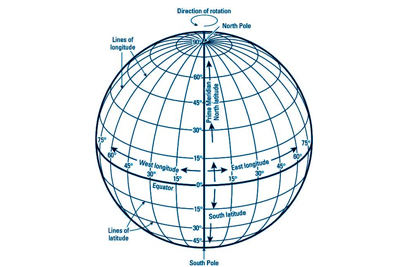
However, perhaps the most interesting item preserved in the museum is the unique astronomical clock, which ticks every second and strikes every hour, half hour, and fifteen minutes, displaying both the lunar and solar calendars, along with the current month, week, day, time, and the Zodiac sign. Apart from that, the huge clock, set according to the exact latitude, longitude, and height of the city from sea level, also displays the positions of the planets, the moon, and the sun. The mechanical clock, which needs to be wound once every 8 days, and manufactured somewhere in Europe, is believed to be created by an Indian, called Mulchand, in Varanasi in 1872 AD, and repaired only once by another Indian, called Munnilal, in 1923 AD. Unfortunately, for reason unknown, photography of the wonderful clock is strictly prohibited.
Ramnagar Fort hosts several religious festivals, including the month-long Ramlila festival in the month of Ashwin, the seventh month in the Hindu calendar, corresponding to September/October on the Gregorian calendar, when the fort is illuminated and different episodes from Ramayana are enacted as part of the Dussera celebration, transforming the huge area into a giant open-air stage. The celebration is completed with the burning of the effigy of Ravana, the ten-headed demon king in the Hindu epic Ramayana, and his associates, signifying the ultimate victory of good over evil. Another religious festival is celebrated in the month of Magha, the eleventh month of the Hindu calendar, which is during January/February, when a number of pilgrims visits the Veda Vyasa temple. Apart from that, Raj Mangal Festival is celebrated in the month of Phalgun, the eleventh month of the Hindu calendar, the period between late February and March, displaying a procession of boats with dance and music performances starting from the Assi Ghat, along the Ganges, in front of the fort.