FREE ASSISTANCE FOR THE INQUISITIVE PEOPLE


















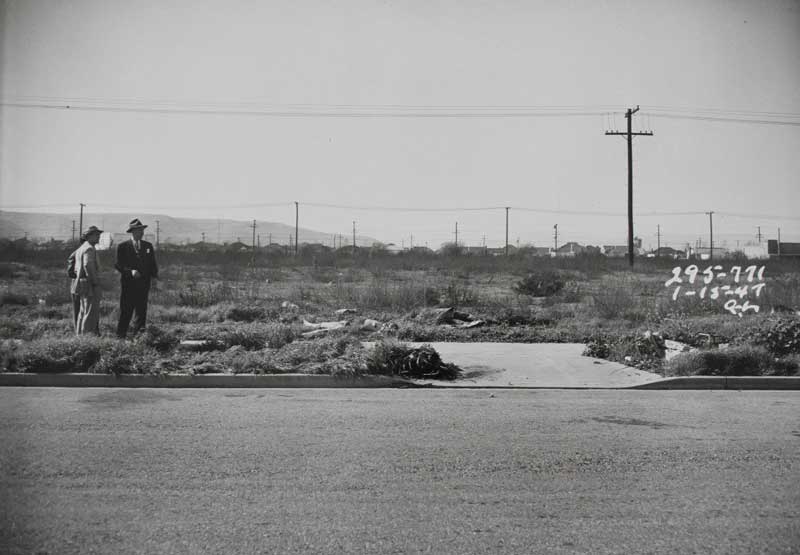
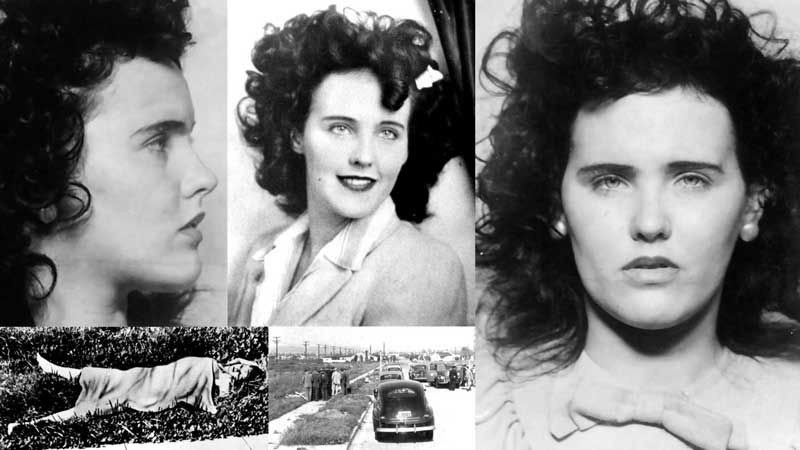
It was a cold and dull morning at around 10 am on 15 January 1947, when Betty Bersinger, a pretty housewife, was pushing her daughter in a stroller through the Leimert Park section of South Los Angeles, which is less than ten miles away from the centre of the film universe, but a world away from the splendour of the silver screen. While she was heading to a shoe repair shop, she paused as she noticed what she thought was a mannequin lying in the grass on a vacant lot on the west side of South Norton Avenue. But as she approached further to take a closer look, she discovered to her horror that it was a mutilated corpse of a naked female body, severed at the waist.

Without wasting a moment, Betty Bersinger immediately ran to a nearby house, informed the family about the matter and used their telephone to call the police. Within a few minutes, authorities arrived on the scene, kick-starting a long investigation, what would finally become one of the most famous unsolved cases of the country.
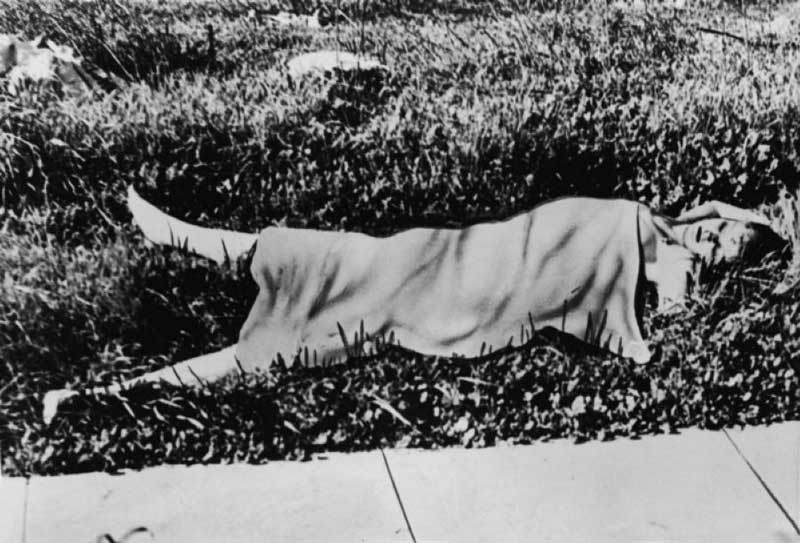
The naked corpse of the woman that Betty Bersinger had discovered, was completely severed at the waist and drained of blood, leaving her skin a pallid white like a mannequin. The corpse, found with her hands over her head, elbows bent at right angles and legs spread apart, had several cuts on her thigh and breasts, where entire portions of flesh had been sliced away. While the skin removed from her thigh contained a rose tattoo, which she probably liked to show off, the flesh had been brutally inserted into the vagina. Her intestines had been tucked neatly beneath her buttocks and her face had been slashed from ear-to-ear, creating a barbaric effect, resembling something like a permanent grin, known as the Glasgow Smile, a brutal disfiguration commonly associated with street gangs that had originated in Scotland. As there was no blood at the scene, it was estimated that the poor woman had been murdered somewhere else, drained of blood and cleaned, before her body was dumped by the killer or killers.

While the ligature marks on her ankles, wrists and neck suggested that she had been held a prisoner, a tear in the skin with superficial tissue loss on her right forearm, left upper arm and right breast, dilated anal canal and bruise on the front and right side of her scalp, severe enough to have caused internal bleeding, all suggest prolonged torture. It was also ascertained by the medical examiners that the bisection of the corpse was neatly executed in a very particular way, taught to medical students, where the body below the waist is amputated, traversing the lumbar spine between the second and third lumbar vertebrae.
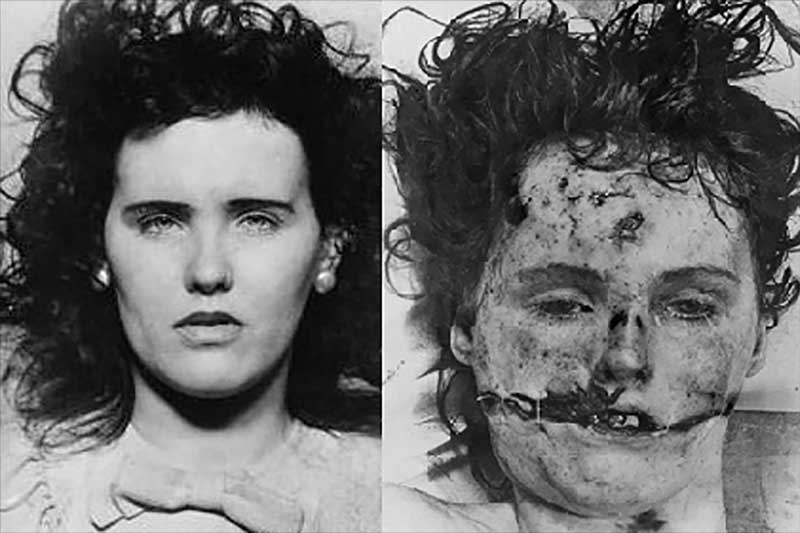
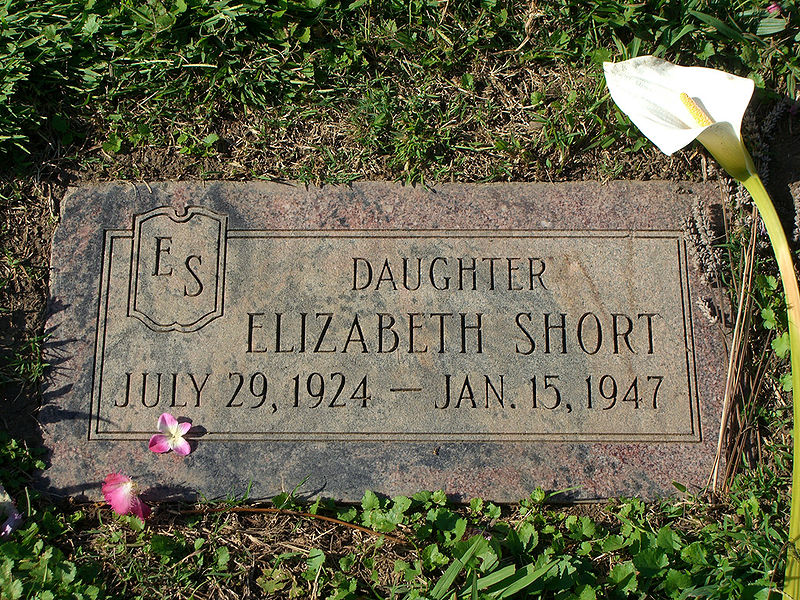
From the fingerprints of the corpse, it was found that the victim is 22-year-old Elizabeth Short, a young woman with light blue eyes and brown hair, who once applied to work in an army store, known as commissary of a U.S Army base and was arrested once in Santa Barbara, California for underage drinking on 23 September 1943. Following her identification, Los Angeles Examiner contacted Phoebe Short, mother of Elizabeth Short, in Boston, who informed that her daughter had won a beauty contest in the past. It also came to light that although she was born on 29 July 1924 in the Hyde Park section of Boston in Massachusetts, she was raised in Medford, a Boston suburb and moved to Los Angeles in hopes of becoming a Hollywood starlet. She was known by friends as being friendly, graceful, kind and even a bit a quick-tempered and emotional. She was also described as passionate, strong, and free, nicknamed by her friends as Black Dahlia for her dark hair and her fascination for black dresses and the previous year's crime film of the same name. However, as she sought to stay in LA., she was forced to live with others to avoid being homeless, in a rented room behind the Florentine Gardens nightclub and managed to obtain work as a waitress. However, despite her hard struggle, she maintained several relationships, with the latest being Robert Manley, known as Red.
During investigation, it was revealed that initially, Elizabeth Short had a romantic relationship with Major Matt Gordon, a pilot, whom she intended to marry once he returned from serving in India. Unfortunately, he never returned, as he was killed in action, leaving Elizabeth heartbroken and alone.

In her grief, apart from dating and staying withothers, she rekindled an old flame with former boyfriend Lieutenant Gordon Fickling, whom she had known from Florida.During that time, she was going out late at night, drinking, even found herself in trouble with the law. However, her close friends believed that her wild conduct was to cope with her loneliness and feeling of being lost in the world.
Nevertheless, the promiscuous activities of Elizabeth Short near the time of her death made it nearly impossible for investigators to determine possible suspects, sexual partners and even her friends. Strangely, more than fifty men and women confessed to the murder since her death, but nobody was charged for want of sufficient evidence. The list even included her then-boyfriend Robert Manley, who was later diagnosed with schizophrenia and admitted to a mental hospital. According to the reports, Short returned to her home in Los Angeles on 9 January 1947, after a brief trip to San Diego with her fiancé, Robert "Red" Manley, a 25-year-old married salesman she had been dating. During the investigation, Manley stated that he dropped Elizabeth off at the Biltmore Hotel in downtown Los Angeles, where she was to meet her sister that afternoon, visiting from Boston, before she visits Massachusetts. Few members of staff of the hotel recalled having seen Elizabeth Short using the lobby telephone and shortly after that, she was allegedly seen by patrons of the Crown Grill Cocktail Lounge at 754 South Olive Street, approximately 656 yards (600 m) away from the Biltmore Hotel. That was the last available report about her, before her naked, bisected and blood-drained body, covered with a crude blanket, was found on the dull morning of 15 January 1947.
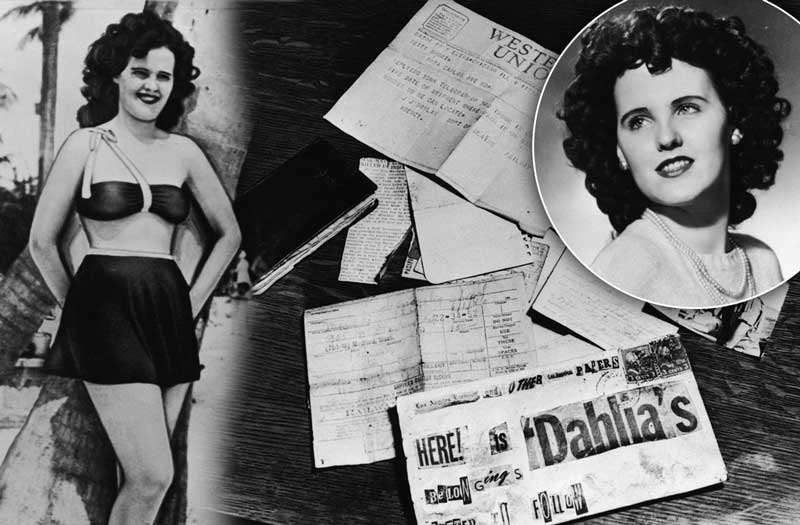
In the late January, a strange manila envelope was discovered by an amazed Postal Service worker on 24 January, address to the Los Angeles Examiner with each word cut-and-pasted from newspaper clippings. The cover contained Elizabeth Short’s personal documents, which include her Birth Certificate, Social Security Card, Business Cards, few names written on pieces of paper and an address book with the name Mark Hansen embossed on the cover. Simultaneously, on the same day, a handbag and a black suede shoe were also reported to have been seen on top of a garbage can in an alley, not far from the spot where Short's body had been discovered. The items, devoid of any fingerprints were eventually recovered by police. From the address book, with the name Mark Hansen on its cover, police tracked down approximately 75 men, most of whom had only briefly met its owner, while Hansen, a wealthy nightclub and theatre owner, confirmed that Short had crashed at his home and also identified her purse and shoe discovered in the alley. Although the investigators were reported by Ann Toth, a friend and roommate of Short that recently she rejected sexual advances from Hansen and she also suggested it as potential cause for him to kill her, others suggest that there was nothing between the two and Hansen had merely helped a desperate woman to stay at his home, worried about the characters surrounding her. However, operating a nightclub successfully in 1940s LA signifies that Mark Hansen’s activities were not entirely legitimate and the hazardous men who frequented it and kept on lurking it, were very much in his circle.But there is nothing to suggest that he possessed the level of severe mental disorder as observed in the murder of Elizabeth Short. He had no record of violence in his life and it was obvious that he felt genuinely sorry for the young woman and was deeply concerned about the unnamed associations she was involved with.
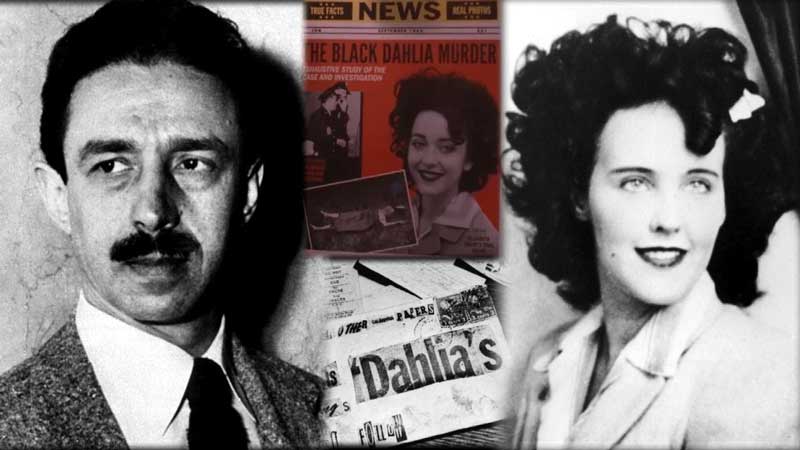
Since the mutilated body of Elizabeth Short was discovered, the Los Angeles Police Department began an extensive investigation that produced over 150 suspects and in addition to that, more than 50 men and women turned themselves in voluntarily to confess to the murder. The phony claims came from all possible quarters, which include housewives, clergymen, soldiers and even drunk ramblers. However, although many were held for questioning and some even took polygraph tests, no one was ever charged with the murder for obvious reasons. According to The Guardian, George Hodel, a physician, who ran a venereal disease clinic in Los Angeles in the 1940s, was on a list of six prime suspects in the Black Dahlia case, who was even harassed by the Los Angeles Police Department during the investigation. However, after he died in 1999, Steve Hodel accused his father of killing Elizabeth Short in his 2003 bestselling book titled Black Dahlia Avenger: The True Story. He claimed that his father’s handwriting resembles the strange letters the police received, supposedly from the killer and also uncovered photographs of a woman in his father’s personal photo album, who looks like Short. He also pointed out his father’s medical background would explain the perfect clinical dissection of the corpse. But Steve’s claim was not taken into account and was dismissed, as he started to link his father to other infamous unsolved murders during the time.However, to take into account the possibility that the murderer had been a surgeon, doctor, or a person with medical knowledge, the Los Angeles Police Department issued a letter in February 1947to the University of Southern California Medical School, located in the vicinity of the murder, requesting them to submit a complete list of the program's students. Although the university complied with the request on the condition of maintaining secrecy about the identity of the students and background checks were conducted, it proved to be fruitless.
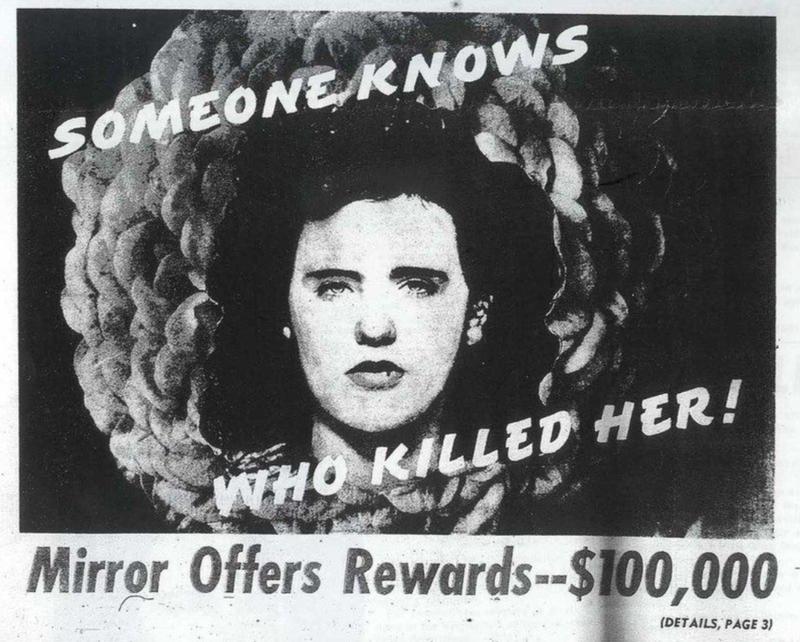
By the spring of 1947, Short's murder had become a cold case, passed from one based on facts and entered the realm of myth and legend. Described as one of the most brutal and culturally enduring crimes in American history, Time Magazine listed Short's murder as one of the most infamous unsolved cases in the world. The nasty, sordid, and vicious murder of a struggling woman, termed as the Black Dahlia Murder, remained engulfed in the mist of mystery and unless a new miraculous evidence is discovered, there is remotely any chance to find the truth.