FREE ASSISTANCE FOR THE INQUISITIVE PEOPLE

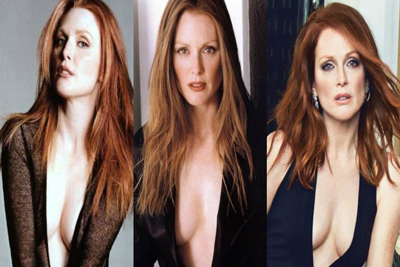






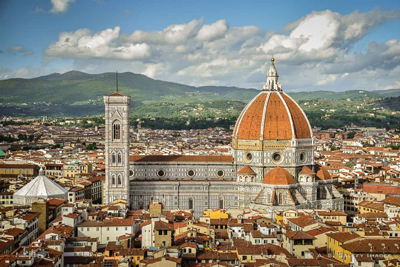




Considered as a timeless masterpiece of Italian cinema, exploring love, alienation, and the intricate complexities of human connection, La Notte (1961), or The Night, directed by Michelangelo Antonioni, is an indelible illustration of romantic and social deterioration. Filmed on location in Milan, and depicting a single day and night in the lives of a disillusioned novelist and his alienated wife, La Notte continues Antonioni's technique of abandoning traditional storytelling in favour of visual composition, mood and atmosphere. The film, a psychologically acute and visually striking modernist work of Antonioni, critically dramatising the urban pessimism, is the central film of the director’s trilogy, which began with L’Avventura (1960) and ended with L’Eclisse (1962).
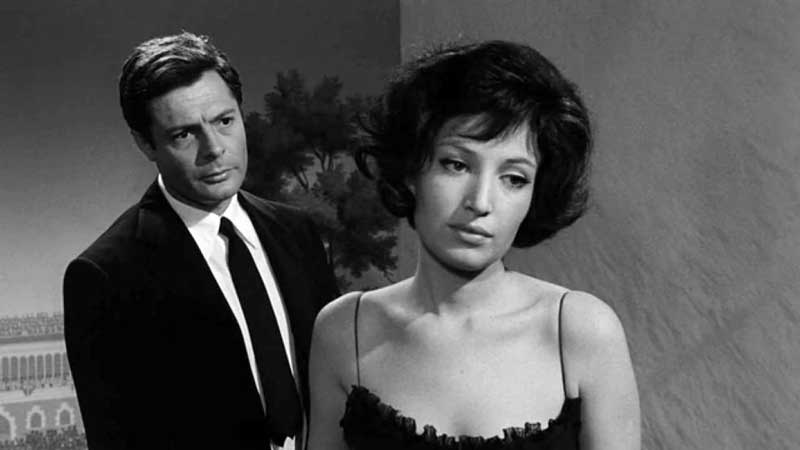
La Notte depicts the story of a novelist, numb by his own material success, and his alienated wife, acutely aware of her own despair, who over the course of a single day and the night, confront their alienation from each other and the utterly empty bourgeois Milan circles in which they travel. They are also forced to re-examine their emotional bonds, and confront the death of their marriage, struggling with the question of whether love and communication are even possible in a world built out of profligate idylls and sexual hysteria. With the unflinching performances of Marcello Mastroianni as Giovanni Pontano, the novelist, Jeanne Moreau, portraying the role of Lidia Pontano, his disillusioned and frustrated wife, and the irresistible Monica Vitti, appearing as the attractive Valentina Gherardini, the flirting daughter of Mr Gherardini, an industrialist, along with the uncompromising precision of Antonioni’s framing and cutting, La Notte was profusely acclaimed for its exploration of modernist themes of isolation, and was enlisted by Stanley Kubrick, an eminent American filmmaker as one of his ten most favourite films.
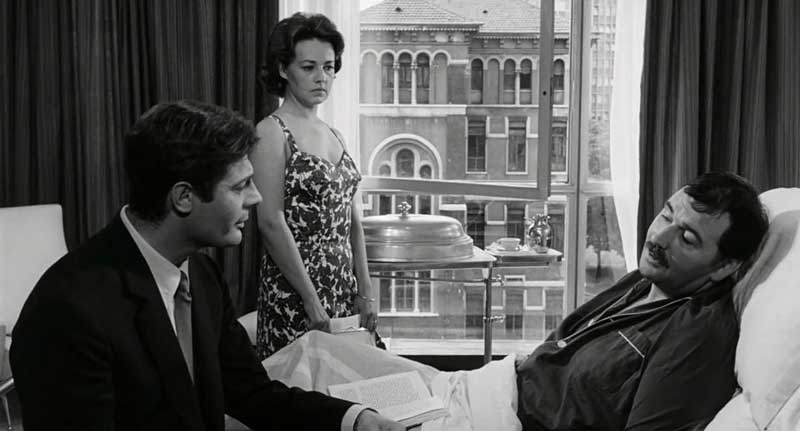
Despite being named after night, La Notte is a wandering film for the most part, and a large portion of it unfolds in the daytime. The film opens with Giovanni and Lidia visiting their seriously sick and almost dying friend Tommaso Garani at a hospital in Milan, before their appearance to launch a new book of Giovanni. While Tommaso, who was aware of Giovanni’s new book, praised his friend for his work, Lidia was visibly upset and was shocked to find Tommaso dying in pain and as she was unable to take it anymore, she silently left the room alone, without Giovanni. Later, when Giovanni was leaving the room, a sick, crazy and uninhibited young female patient kissed him passionately, probably desperate for someone's affection or attention, before being interrupted by the nurses. Outside the hospital, Giovanni found his wife weeping for the sad condition of their friend, but did not try to comfort her, and later, when in the car he reported Lidia about the unpleasant and unwanted incident involving the sick woman, he became rather surprised and confused to see Lidia’s indifferent attitude in the matter.
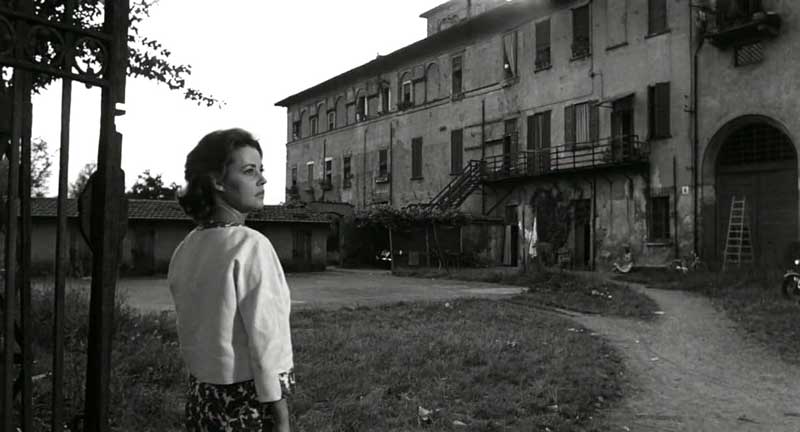
After the launching of the book, when Giovanni was busy in signing his books for sale, Lidia left the place silently and started wandering the streets of Milan, arrived the area where she and Giovanni once lived as newlyweds, and found little has changed since then. She wondered whether she should have chosen the dying man all those years ago rather than Giovanni, as their marriage has become only a functional arrangement, devoid of love or any other emotion. Deep in her heart she also knew, she no longer feels love for him, and seems locked in loneliness and depression. While roaming alone aimlessly, she came across a street fight which she tried to stop, and later watched rockets being set off in a field. She watched the flow of the city life, far from the social milieu where she now lives, before she called Giovanni and picked up by him.
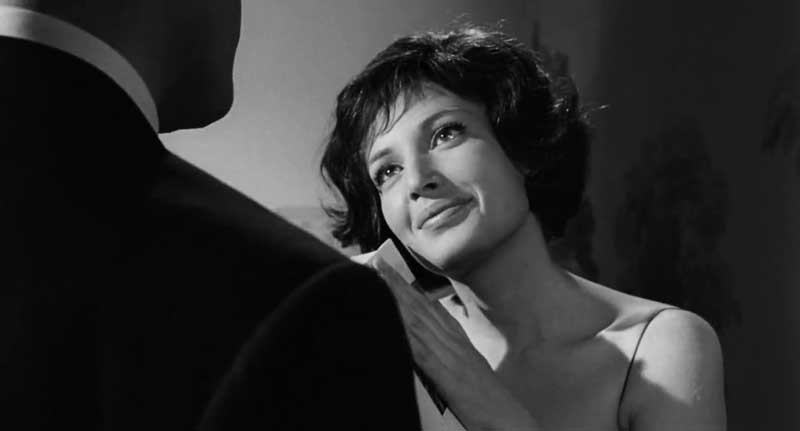
In the evening, the couple visited a nightclub to break the monotony, watched a seductive performance by a female dancer and then drove out of town to attend a party thrown by Mr Gherardini, a millionaire industrialist, at his luxurious country villa. At the party, Giovanni was attracted by Valentina Gherardini, the host's beautiful daughter, and as they flirt, Lidia called the hospital to learn that Tommaso has died. The news devastated Lidia, and shortly after that she watched from the upper floor Giovanni kissing Valentina. Meanwhile, finding her alone, a man named Roberto, who had been following Lidia, invited her to dance, when a sudden rain shower forced the guests running for cover. As Lidia was intending to jump into the pool from the diving board, Roberto took her to his car and they went out for a drive. Although Lidia was enjoying Roberto's company and their little conversation, she turned away from him when he tried to kiss her.
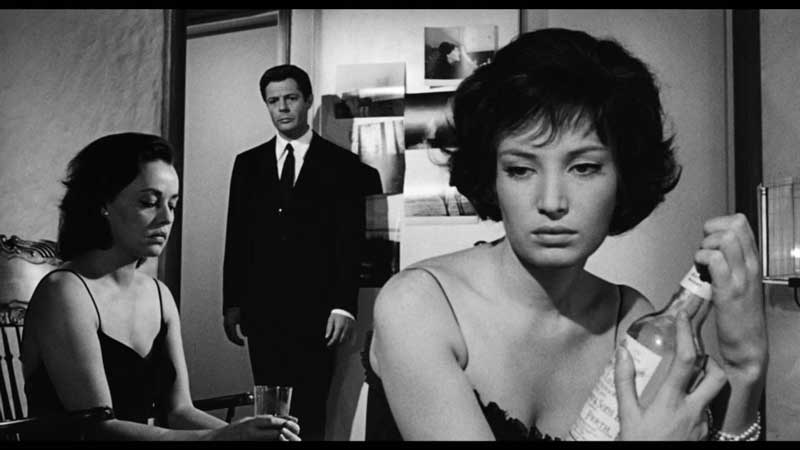
Back at the party, Valentina asked Giovanni to spend the rest of the evening with his wife, when Lidia and Roberto return from their drive. As Valentina invited Lidia to dry off in her room, Lidia found herself face to face with Valentina, confronted her directly about her husband, and confessed that she was not jealous of her, as she considers her marriage to be over a long time ago. As they became engaged in a friendly conversation, Giovanni overhears Lidia telling Valentina that she wants to die, because she no longer loves Giovanni.
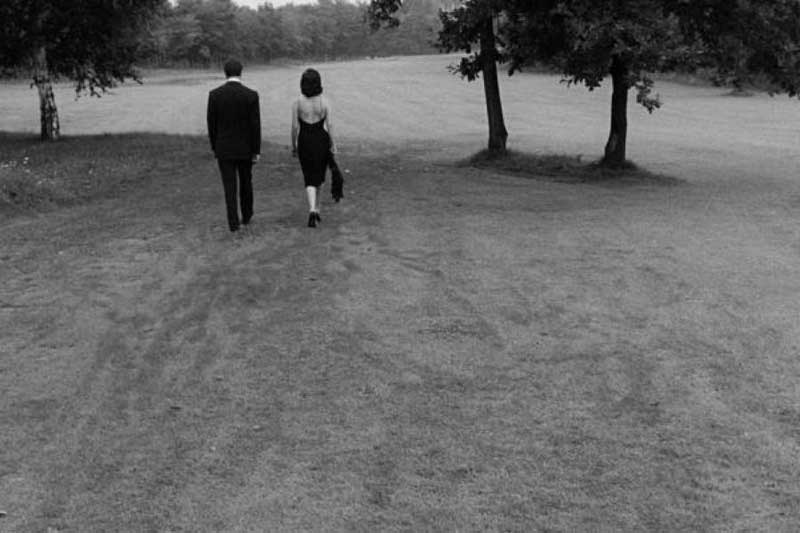
Giovanni and Lidia left the party at dawn, and while walking away across Gherardini's private golf course, Lidia informed Giovanni of Tommaso's death, recounting how he always offered his loving support and affection to her. However, despite of everything, she ultimately opted to be with Giovanni, instead of Tommaso, only because she loved him, the love which is now dead. She also explained that she feels like dying because her love for Giovanni is now dead, she no longer loves Giovanni. She then took out a love letter which Giovanni once wrote to her before their marriage, but did not remember having written it, and read it aloud for him, while Giovanni acknowledging the failure of their marriage, reaffirmed his love for her, embraced and kissed her, which she resisted, insisting that they no longer love each other. However, by that time, Giovanni rediscovered his passion for Lidia just when it seemed to have died down, and continued to kiss and fondle her with a newfound and intense passion, in a bunker on the golf course.
La Notte can be termed as an ode to a failed marriage, in which Michelangelo Antonioni depicted the hollowness of the rich and fashionable society, the emotional void underneath the fashionable suits and little black dresses, and critically dramatised the distinctly urban pessimism. Perhaps, boredom has made the film more interesting, which is evident from the poetical shot in which Lidia, the crumpled wife, was shown leaning against a glass wall looking out into the rain, emphatically flashing all her boredom, anguish, despair and hopelessness. Profusely acclaimed for its exploration of modernist themes of alienation, the film won the Golden Bear at the Berlin Film Festival.